Image to Video AI

Upload an image, describe the motion, and turn still visuals into short AI videos with clear model and parameter controls.

Image animationReference guidedMotion generation
0 / 2,000
~75 cr

Image to video AI — your photo, now with motion and sound

Upload a still, describe the movement, and the model animates it faithfully — the use case communities love most, from reviving old family photos to turning product shots into ads.

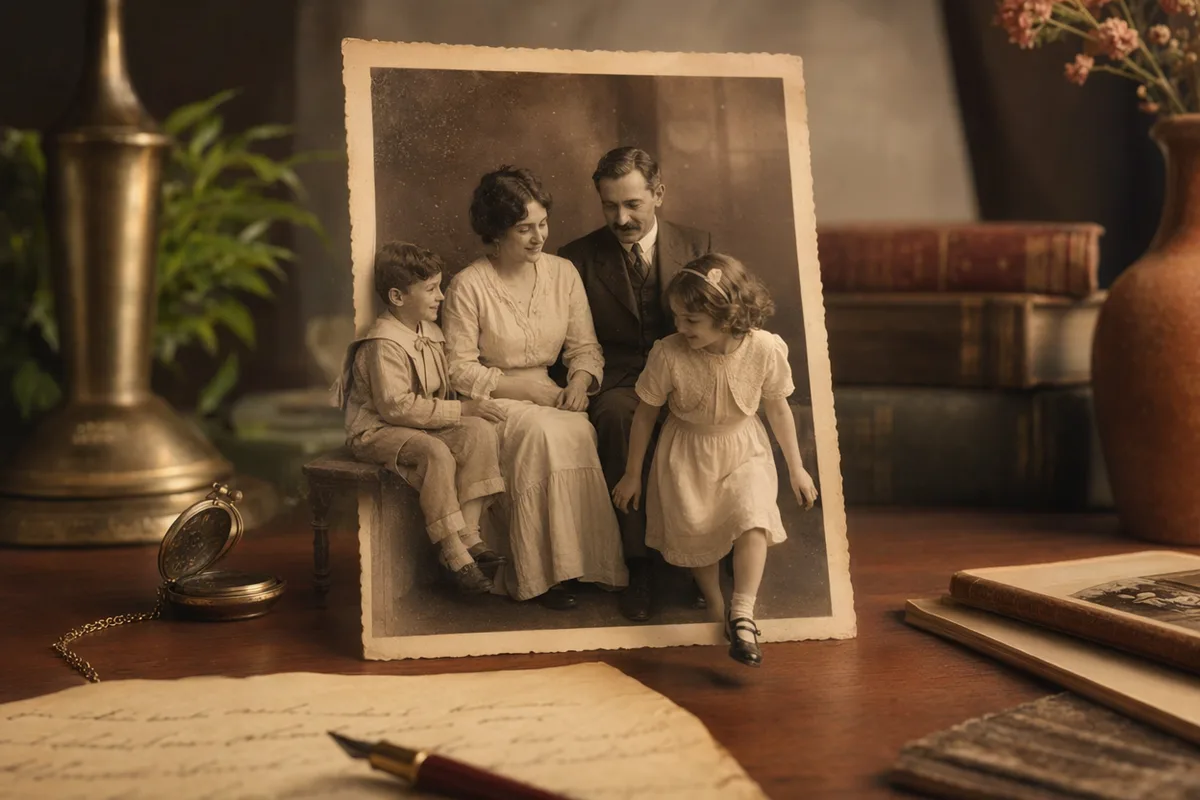
A vintage family photograph gently coming alive with motion

Bring old photos back to life

The most beloved image-to-video use case on the internet: a vintage family photo gains gentle, natural motion — a smile, a breeze, a turn of the head. The original stays recognizable; the moment becomes a memory you can watch.
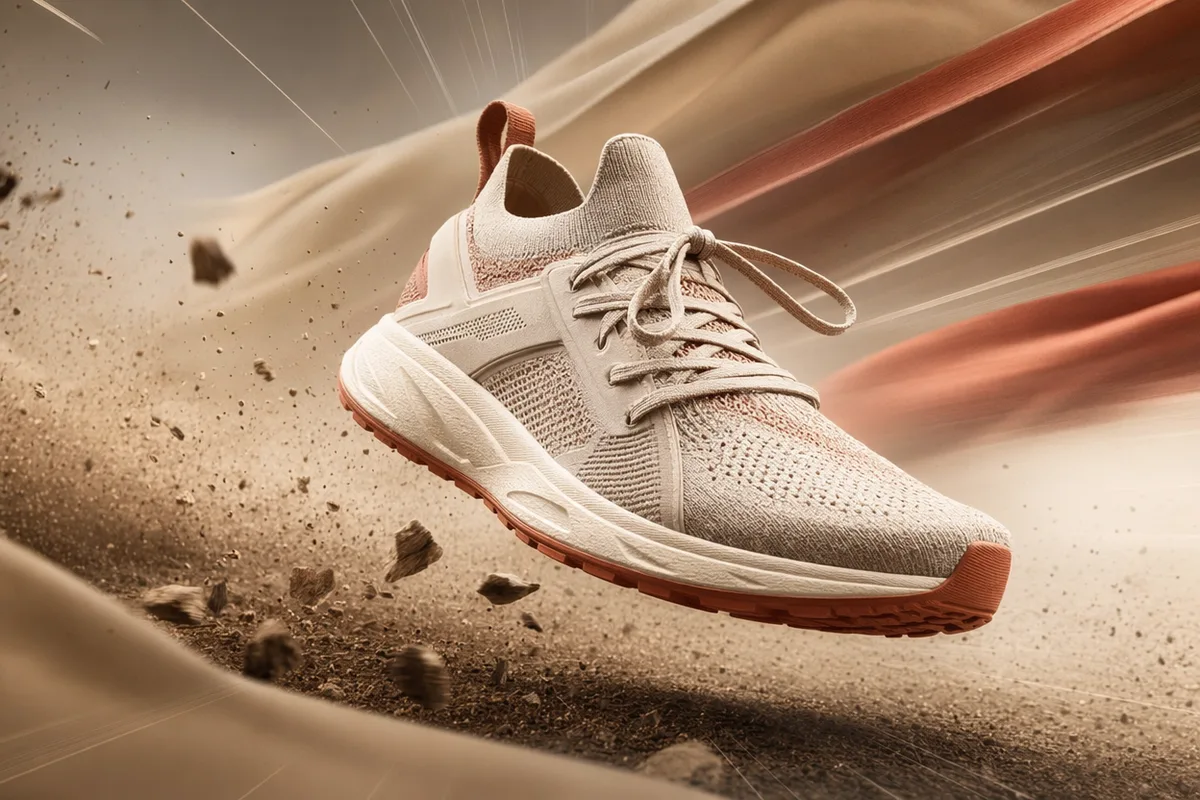
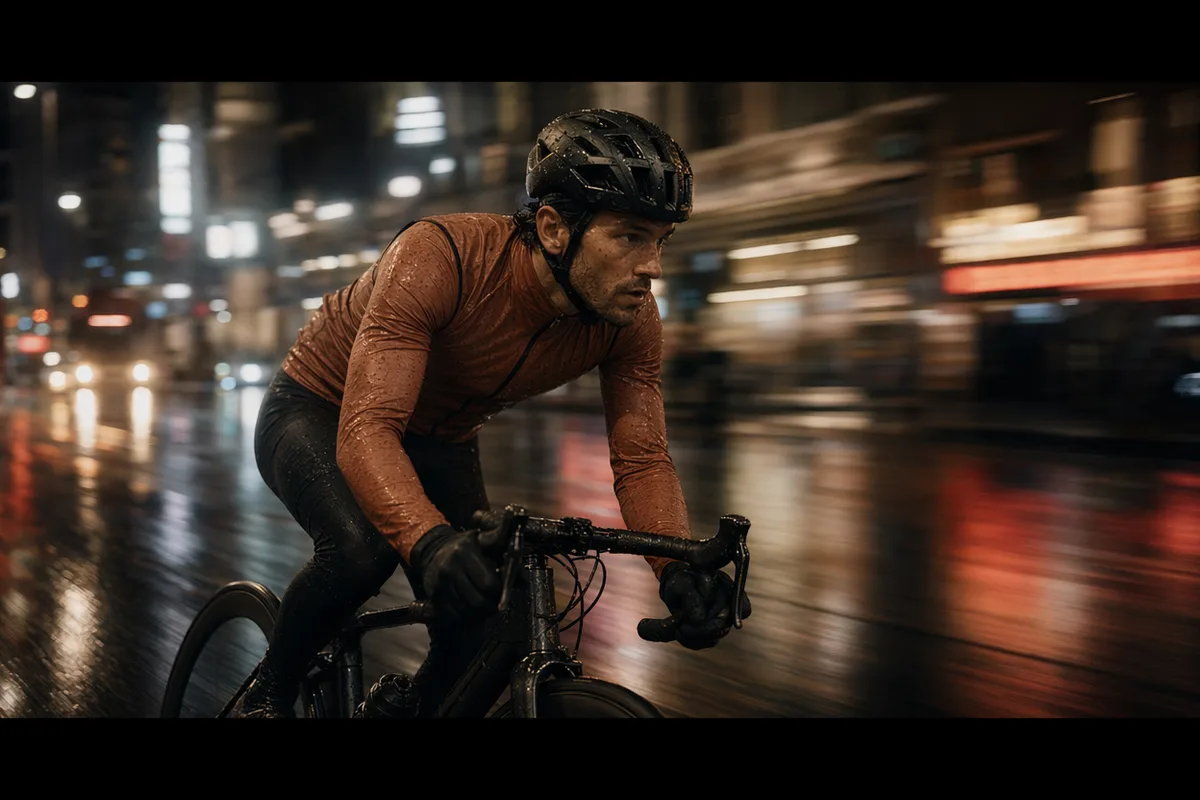
A still sneaker photo bursting into dynamic motion

Product stills become product ads

One hero shot becomes a moving clip — dust, fabric ripple, rotation, splash — ready for feeds and product pages. E-commerce teams turn an existing photo library into a video library without a single shoot.

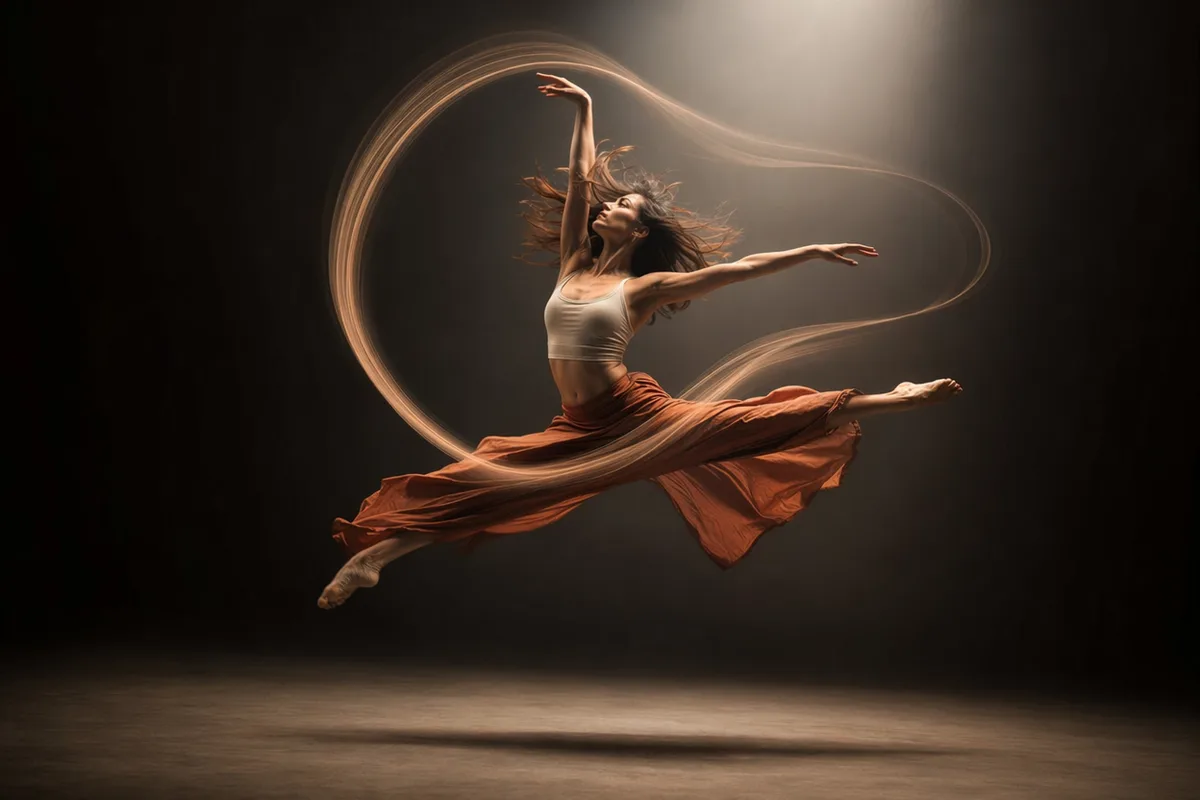
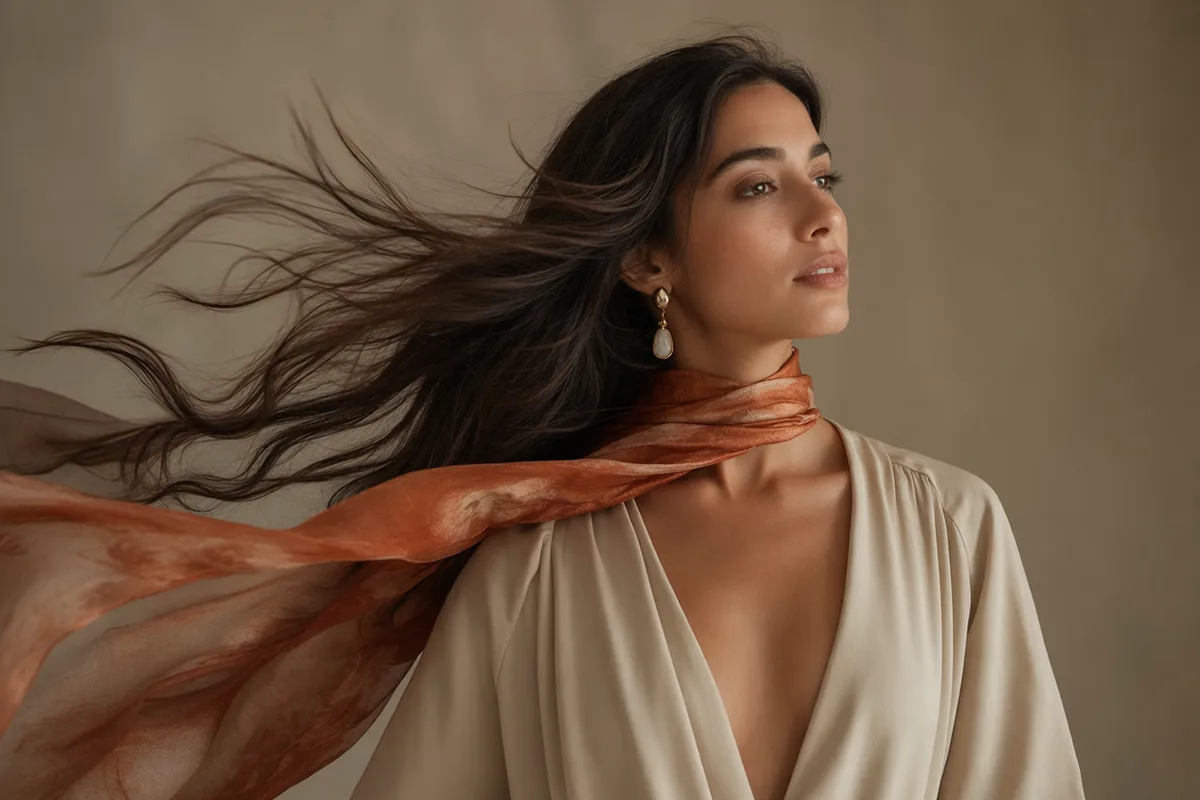
Portrait with hair and scarf flowing in cinematic motion

Portraits with believable motion

Hair and clothing move with physics viewers accept; expressions stay true to the person. Kling 3.0 can even transfer a full motion reference — a dance, a gesture — onto your character while preserving identity.

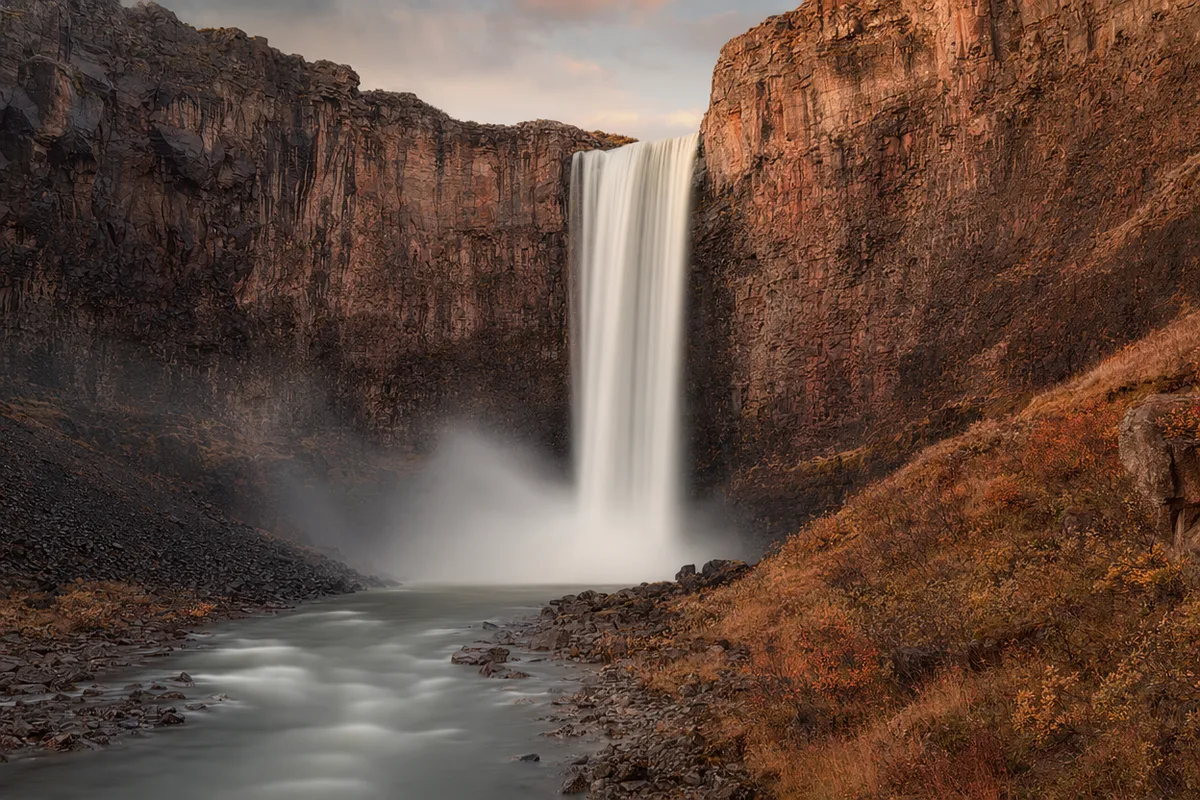
Waterfall landscape with silky flowing motion

Scenery into living ambience

Waterfalls flow, clouds drift, rain falls — landscapes and interiors become ambient loops for backgrounds, screens, and mood pieces, with native audio if you want the scene to sound like it looks.

Image to Video Clips Made on This Page

Each of these began as a still image. The motion prompt that animated it is printed underneath.

PromptSeedance 2.5 · 480p · image to video · 4s · 440 credits

Subtle living portrait: she blinks, exhales, and turns her head a few degrees toward the window light. Hair strands drift, golden dust motes float, the landscape outside slides past. Keep her exact face, freckles, and hair unchanged.

PromptKling 3.0 Turbo · 720p · i2v · 5s · 275 credits

Image-to-video from a Seedream 5 Pro still: Subtle cinemagraph: the woman blinks softly and turns her head slightly toward the window light, hair moving in a gentle breeze, train scenery drifting past outside, film grain mood preserved.

PromptSeedance 2.0 Mini · 720p · i2v · 5s · 150 credits

Image-to-video from a Seedream 5 Pro still: Slow elegant orbital camera move around the perfume bottle, light glinting across the amber glass, subtle sparkle particles drifting, luxurious mood.

PromptSeedance 2.5 · 480p · same photo as first and last frame · audio off · 4s · 440 credits

A seamless loop: the camera drifts a few centimetres closer and then settles back exactly where it started, her expression softening and returning. No cuts, no new elements.

PromptSeedance 2.5 · 480p · 2 reference images · 4s · 440 credits

Place the woman from @image1 walking slowly up the stone steps toward the red torii gate seen in @image2, early morning mist, lanterns glowing, her face and hair exactly as in @image1. Handheld documentary framing, birdsong and distant temple bell.

Image to Video Models That Keep Your Subject Intact

Engines built to animate a still without redrawing the person in it.

Image to Video Specifications

InputOne image (JPG or PNG) as the first frame, plus an optional motion prompt.
Best-suited modelsSeedance 2.5 for long clips with audio, Seedance 2.0 family for everyday work, Kling and Hailuo for stylised motion.
Duration4 to 30 seconds depending on the model; short clips hold the source frame most faithfully.
Resolution480p and 720p across the range; 1080p and 4K on Seedance 2.0 standard.
AudioNative synced audio on supported engines, marked before you spend credits.
CostPer second of output, from 10 credits/second for reference-driven generation at 480p.
From your historyAny image you generated on the site can be sent straight to video without re-uploading.

How to Use the Image to Video Generator

Upload a still, describe the motion, generate the clip.

  1. 1

    Upload your image

    A photo, an illustration, or something you generated a minute ago. The image to video generator uses it as the first frame.

  2. 2

    Describe the motion

    Say what should move and how the camera behaves. Restraint reads better than spectacle — small, believable motion holds up where dramatic action tends to warp.

  3. 3

    Generate and extend

    Download the clip, extend it into a longer sequence, or add synced audio depending on the engine.

How to Write an Image to Video Prompt

The model already has your picture. The prompt only needs to describe what moves — and that is where most first attempts go wrong.

1

What moves

The one element that should animate. Everything you do not mention should stay put.

her hair and the hem of her coat lift in the wind

2

How it moves

Speed and quality of the motion. “Slowly” and “gently” are doing real work here.

slowly, a gentle drift

3

Camera

Whether the frame moves. “Locked-off shot” is a valid and often better answer.

slow push-in, subtle

4

Continuity

What must not change — usually the face and the setting.

keep her face and the background unchanged

Vague

make this photo move

Specific

gentle wind moves her hair and scarf, she blinks once and smiles slightly, camera holds still, background stays unchanged

Why it works

The vague version leaves the model to decide what animates, which usually means everything animates — including the face, which is where warping shows first. The specific version names three small movements and locks everything else down.

Vague

make the car drive fast and the camera fly around it

Specific

the car rolls forward slowly, wheels turning, camera drifts right at a steady speed, reflections shifting across the paint

Why it works

Fast subject motion combined with a moving camera is the hardest thing to ask for and the most likely to warp. Slowing both down keeps the geometry intact and reads more cinematic anyway.

Habits worth dropping

  • Asking the whole frame to move. Naming one or two elements and letting the rest stay still is what keeps a face recognisable.
  • Starting from a soft or low-resolution photo. The model animates what it can see; motion blur and small faces give it too little to hold on to.
  • Requesting maximum duration on the first attempt. Drift grows with length — generate a short take you like, then extend it.

Beyond Image to Video

Animating a photo is one step. Generation, editing, and avatars share the same account.

Helpful Resources About Image to Video AI

Image to Video Pricing and Free Daily Credits

Image to video is billed per second of output, so a short animation stays inexpensive. Free accounts get 80 credits a day.

Free

$0

Perfect for getting started

  • 80 credits per day, 400 per month
  • Z Image Turbo drafts at 0 credits
  • Standard generation speed
  • Generation history included
Get Started

Premium

Most popular
$29/month

Billed annually · $240/year

  • 1,600 credits/day, 8,000 credits/month
  • All premium models — GPT Image 2, Nano Banana, Seedream, Seedance, Veo, Kling
  • 5x generation speed, priority queue
  • AI prompt enhancement
Upgrade to Premium

Ultimate

$49/month

Billed annually · $300/year

  • 4,000 credits/day, 18,000 credits/month
  • HD generation up to 4K resolution
  • Priority support
  • Fastest queue and early access to new models
Upgrade to Ultimate

Image to Video — Frequently Asked Questions

1

How does image to video work?

Upload a photo, describe the motion you want, and the model generates a video that starts from — and stays faithful to — your image, adding movement, camera work, and optionally sound.

2

Will the video still look like my photo?

Yes — fidelity to the source image is the core requirement, and the lineup (Seedance, Veo, Kling) is selected for exactly that. Faces and products remain recognizable.

3

Can I animate old or damaged photos?

Yes — reviving vintage photos is one of the most popular workflows. For badly damaged photos, restore them first with the AI image editor, then animate.

4

Can I control the motion?

Yes — describe the movement in the prompt, or use Kling 3.0 Motion Control to transfer the exact motion from a reference video onto your character.

5

How much does it cost?

Per second of output depending on model, resolution, and audio, always shown before generating. Failed generations refund automatically.

6

Does the agent understand image-to-video requests?

Yes — tell Ava "animate this photo" in chat with the image attached, and it plans an image-to-video generation with the right model and settings.

7

What formats do I get?

MP4 video at the resolution you selected, stored in your history and downloadable from our CDN.

8

What kind of images work best for image to video?

Sharp stills with a clear subject and some visual depth. Very low-resolution files, heavy motion blur, or dense crowds give the model too little to work with, and the resulting motion tends to smear.

9

Will image to video change my subject’s face?

The engines here are built to hold the first frame, so a face usually stays recognisable through short clips. Drift increases with duration and with how much motion you ask for — a 5-second subtle movement holds far better than 15 seconds of action.

10

Can I animate an image I generated on this site?

Yes, and it is one click — any result in your history can be sent straight into image to video without re-uploading. Prompt and model of the original image stay recorded alongside the clip.

Pick a photo — watch it move

Start Animating Images

Discover our one-click AI video tools

One-click tools for everything around generation — polish, restyle, and share.