Image to Image AI

Start from one or more reference images, describe the change, and generate consistent image variations in the same workspace.

Reference imagesStyle transferImage variation
0 / 2,000
Free

Image to image AI — keep what works, change what doesn't

Upload references and direct the change in plain language: restyle materials, swap backgrounds, hold characters steady across a whole series. The workflows users praise most, in one panel.

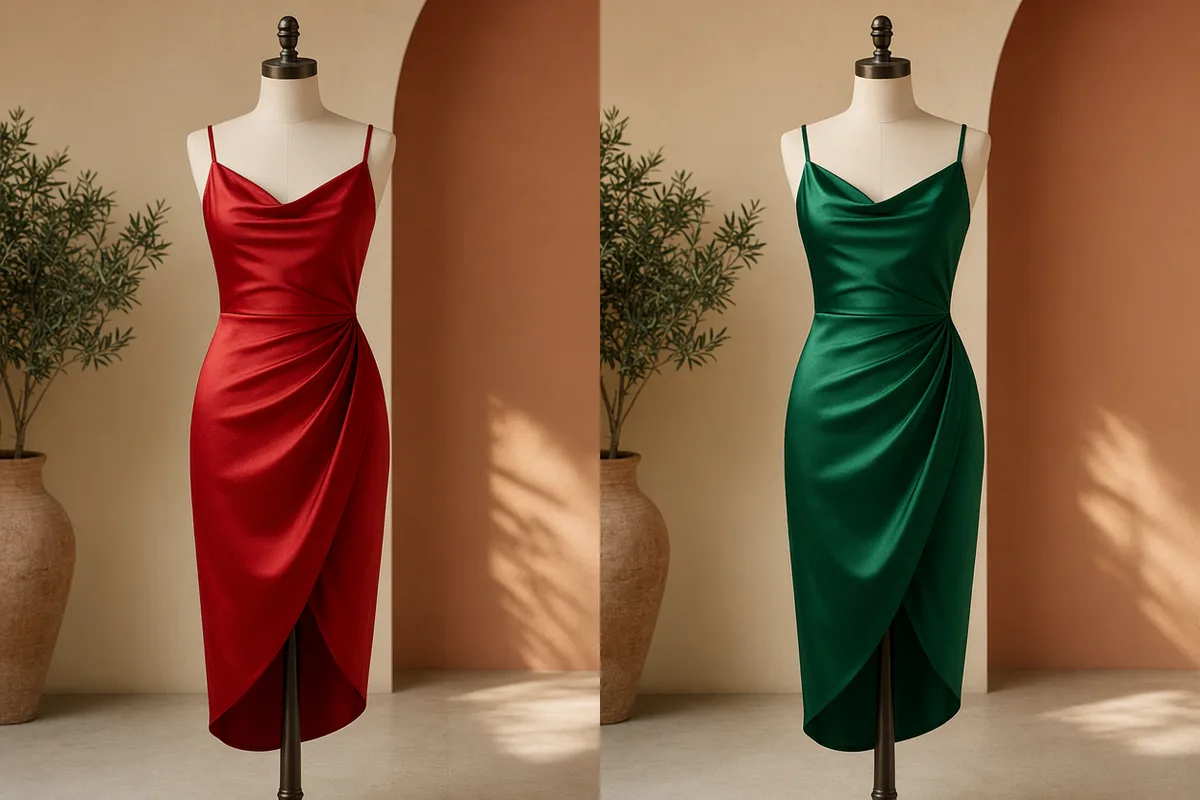
The same dress and pose restyled from red to emerald silk

Restyle without losing the composition

Change the fabric, the lighting, the season, the medium — while the framing and subject stay put. Reference-based restyling means the photo you liked becomes the photo you needed, instead of a lottery ticket on a new generation.
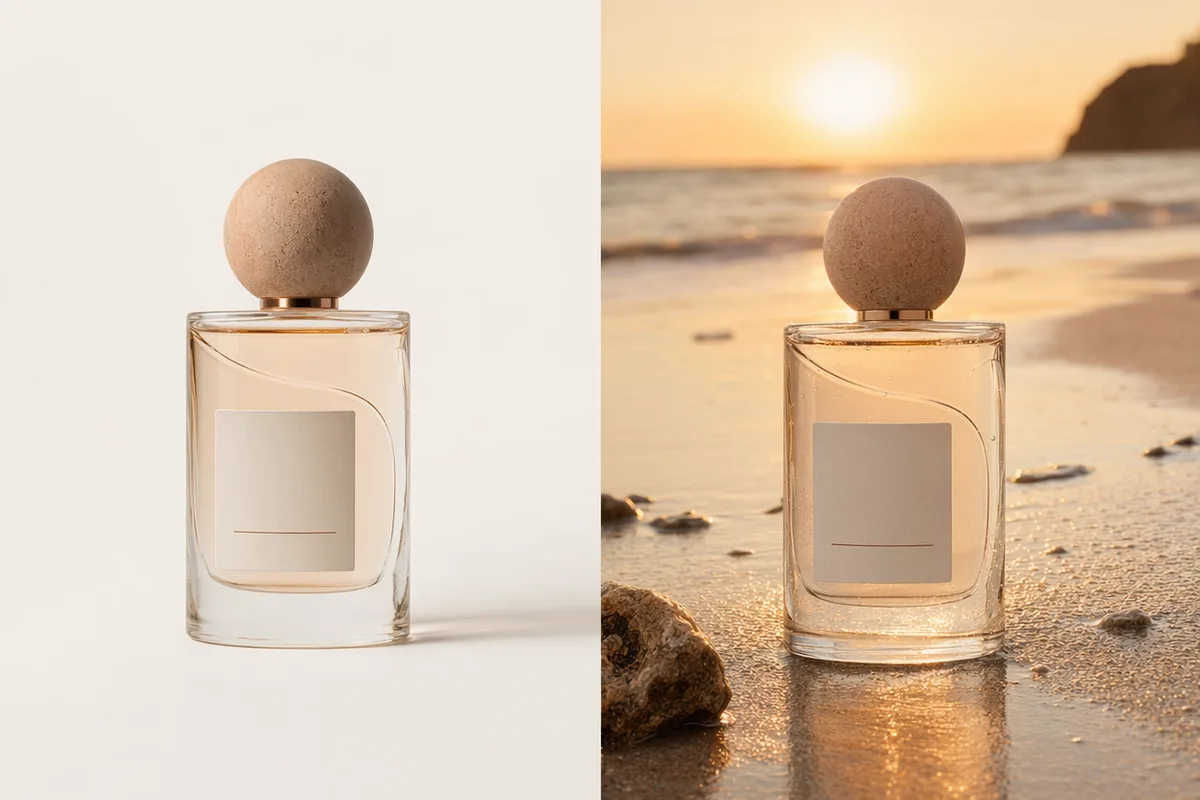
A perfume bottle shown on studio white and on a sunset beach

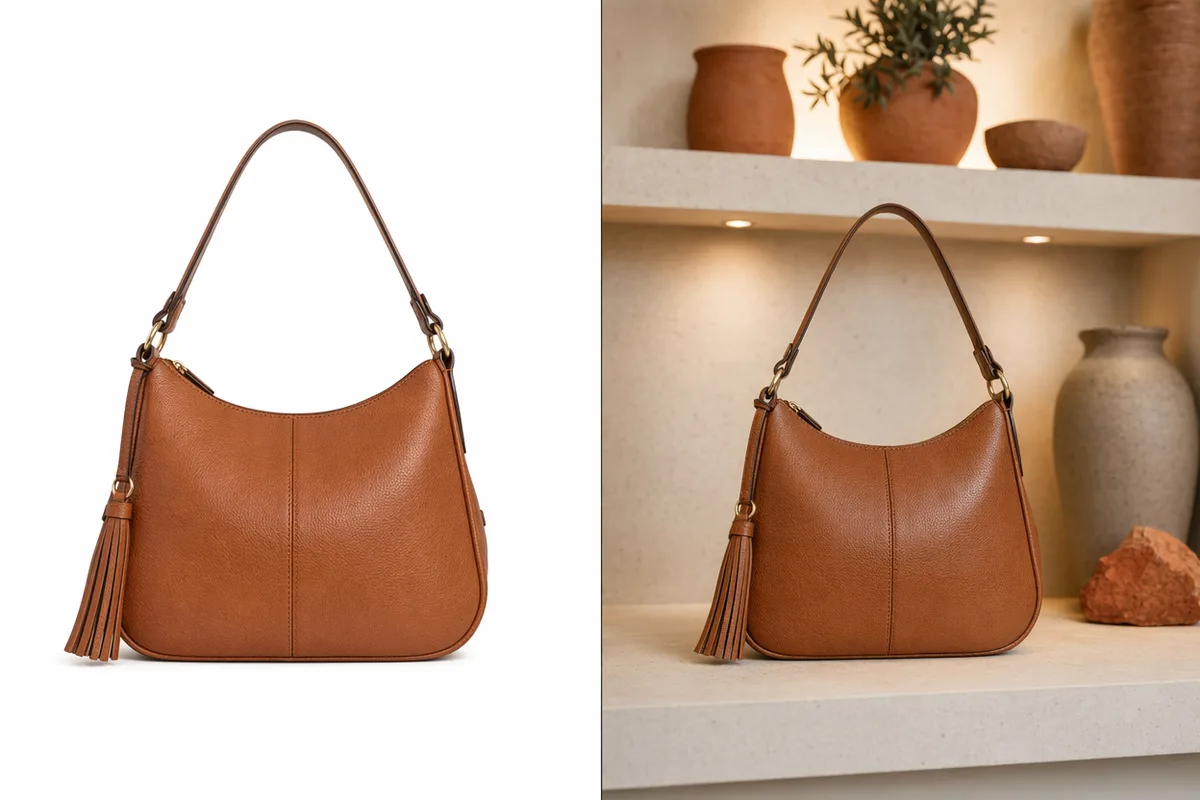
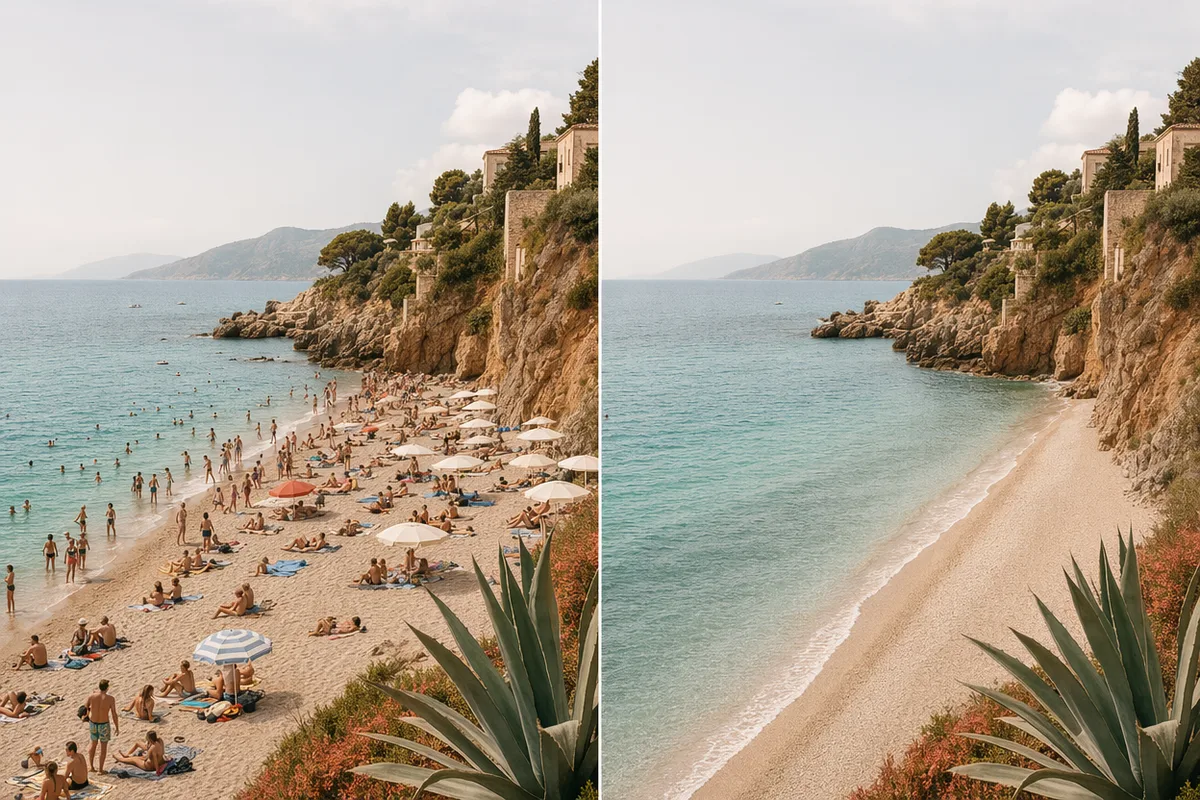
Background swaps with believable light

Move a product from white seamless to a sunset beach and the lighting, shadows, and reflections follow automatically — the tedious relight work users say takes the longest in manual editing. E-commerce sets that used to need a studio day take minutes.

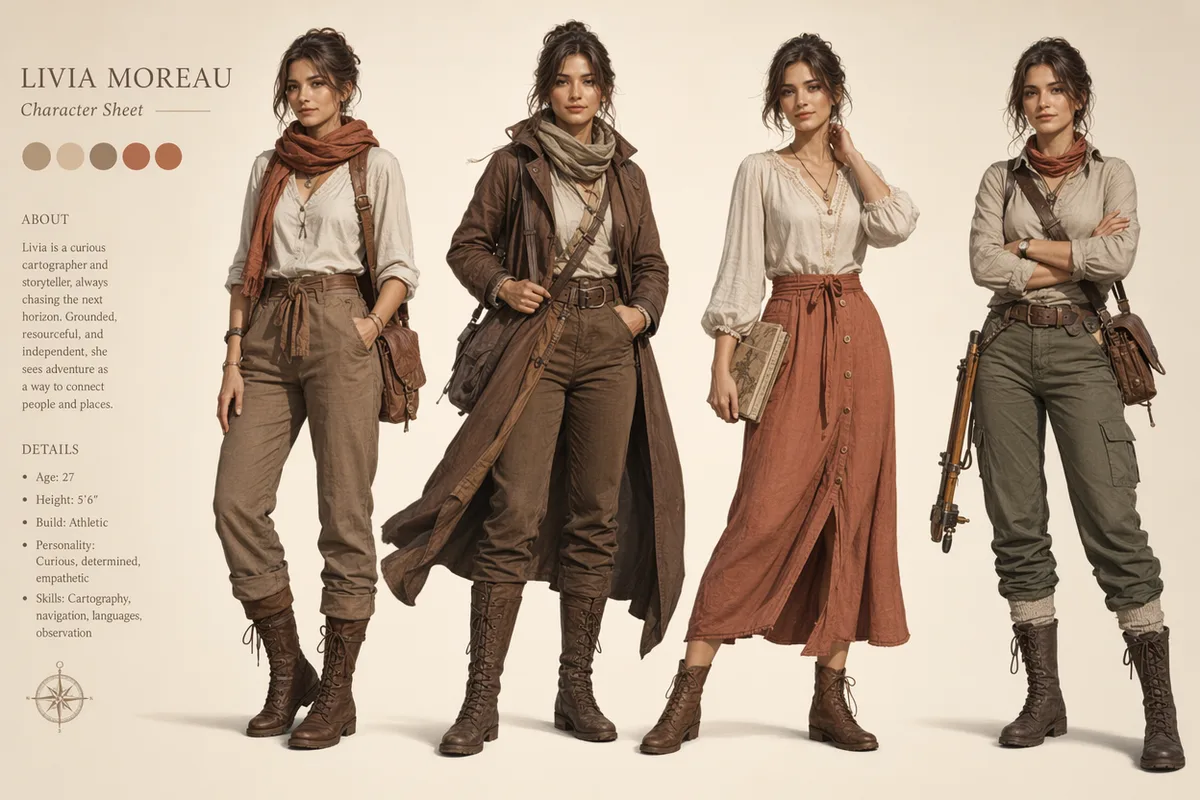
Character model sheet with one heroine in four consistent outfits

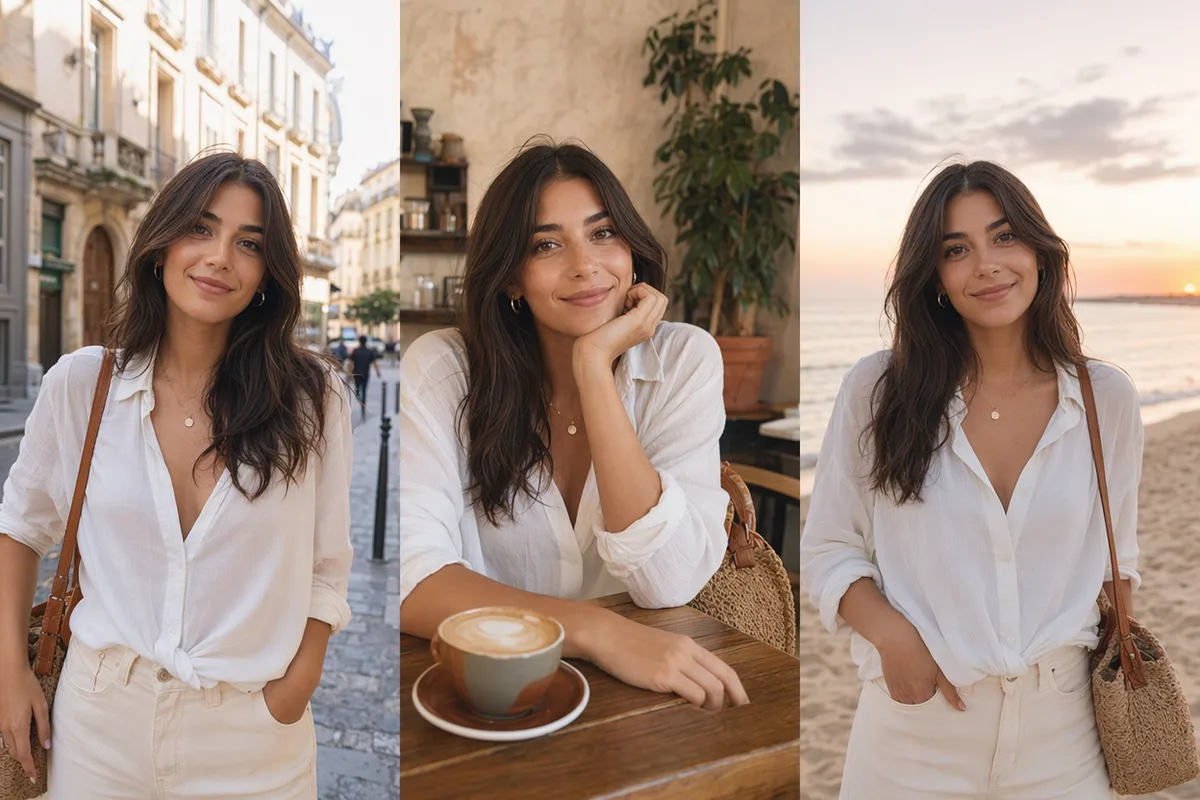
Character consistency across a series

Nano Banana's celebrated "character DNA" keeps the same face, outfit, and style across poses and scenes. Build model sheets, story panels, and brand mascots that read as one character — the capability Reddit calls genuinely rare in AI tools.

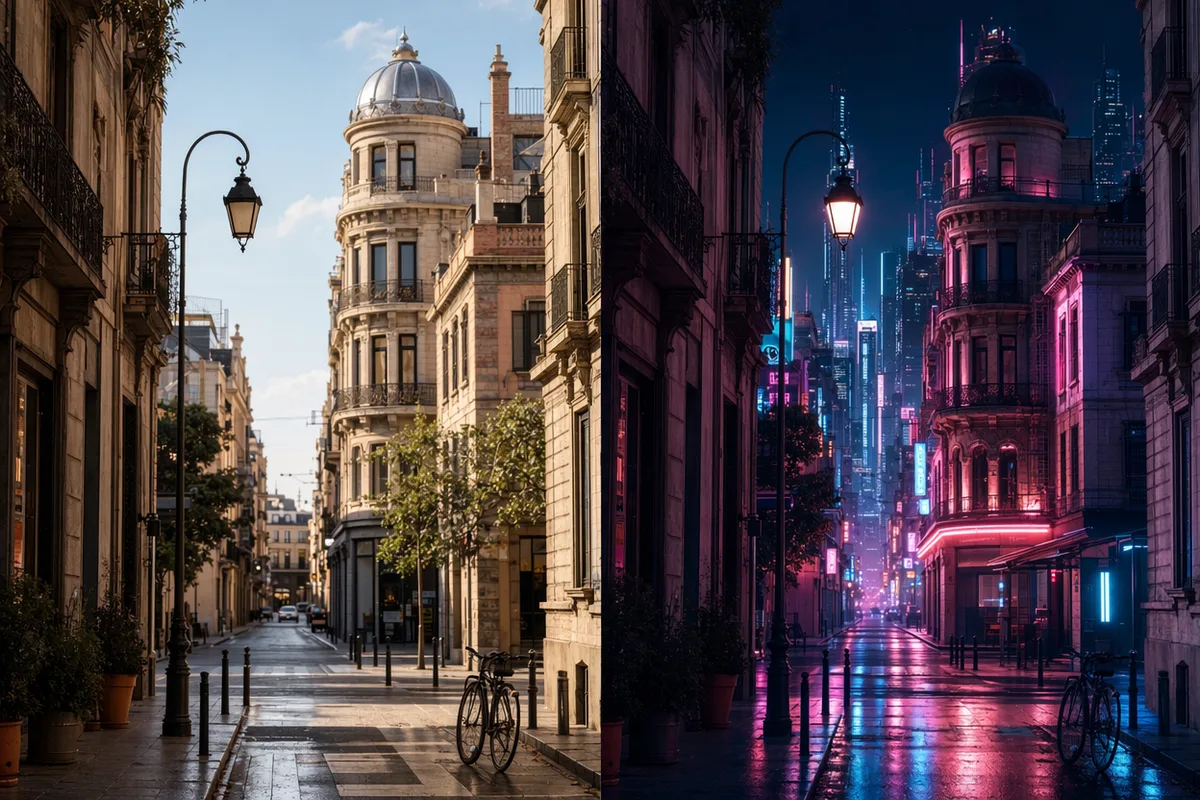
A sunny street photo transformed into a neon cyberpunk night scene

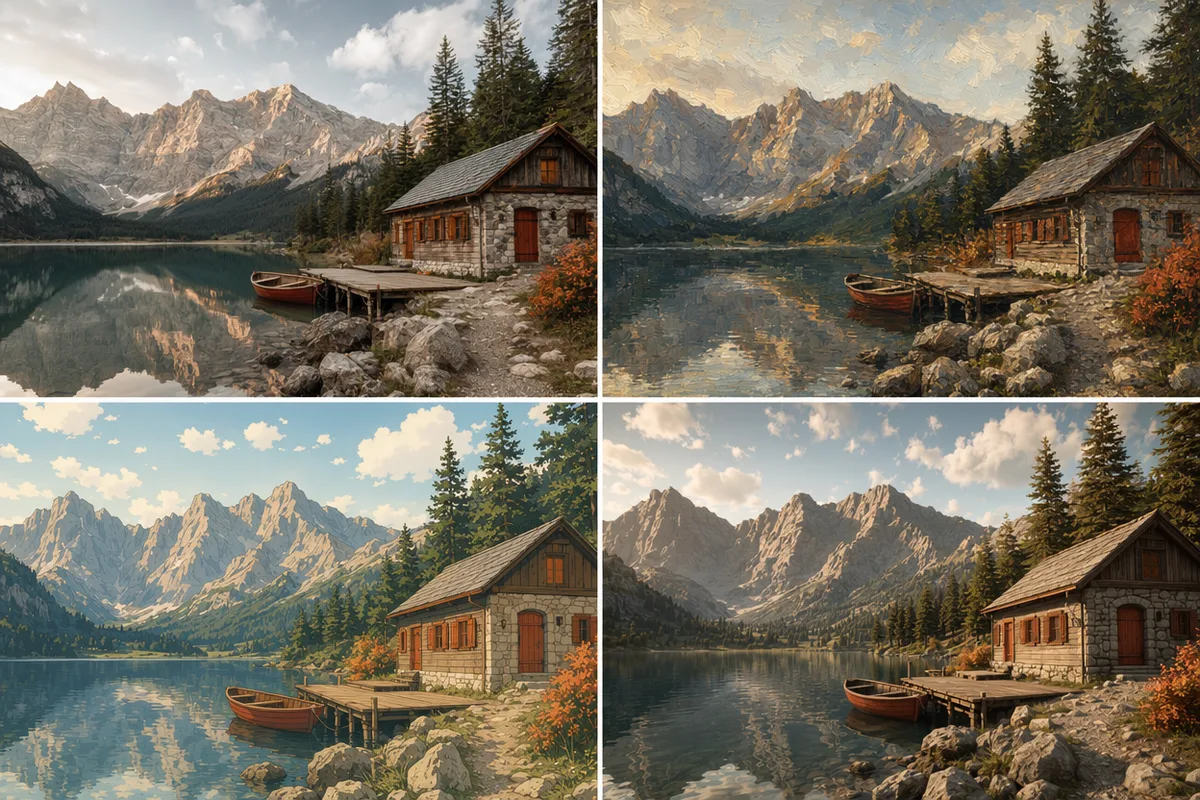
Full-scene style transfer

Day to night, photo to anime, modern to cyberpunk — transform the entire mood of an image while its structure survives. Pair multiple references to fuse subjects, products, and scenes into one coherent composite.

Made With the Image to Image Models Here

Output from the same engines that drive image to image on this page — Nano Banana, Seedream, GPT Image 2, Qwen.

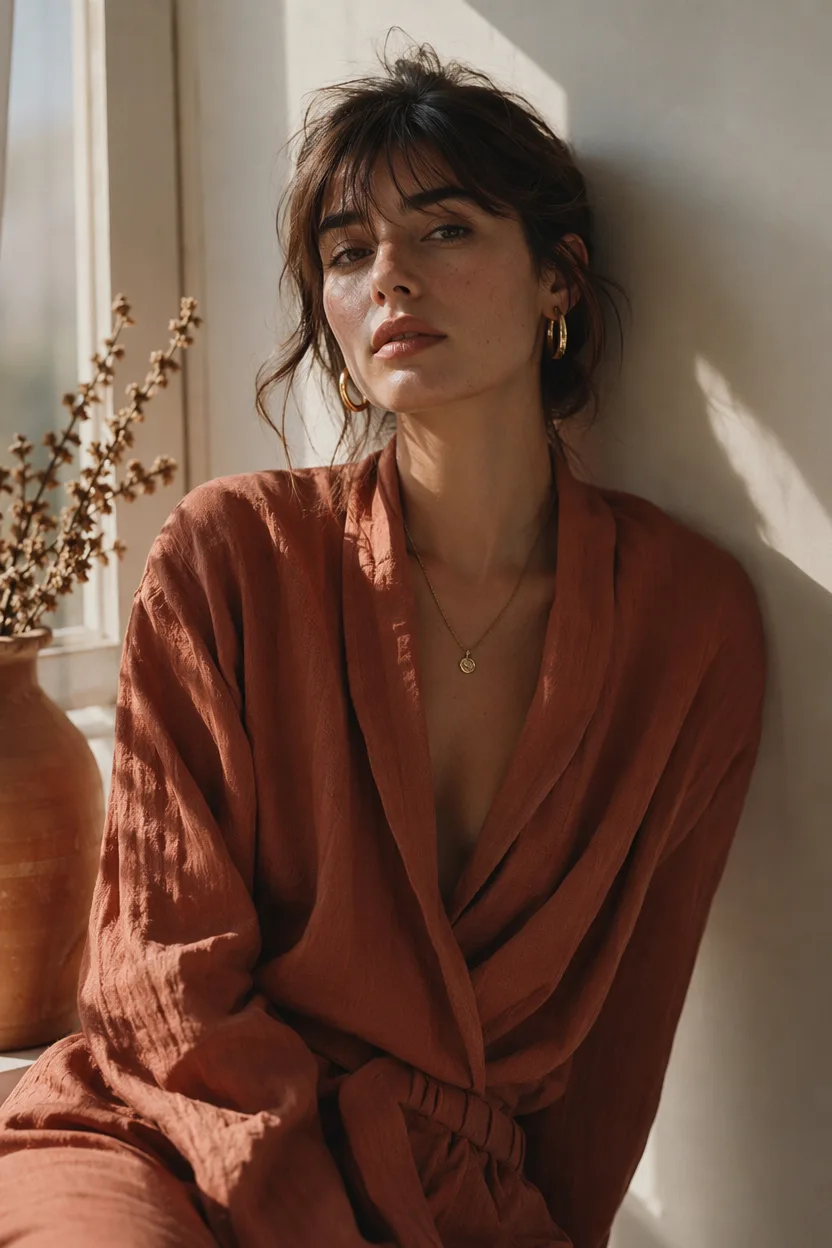
AI generated editorial portrait of a woman in soft window light
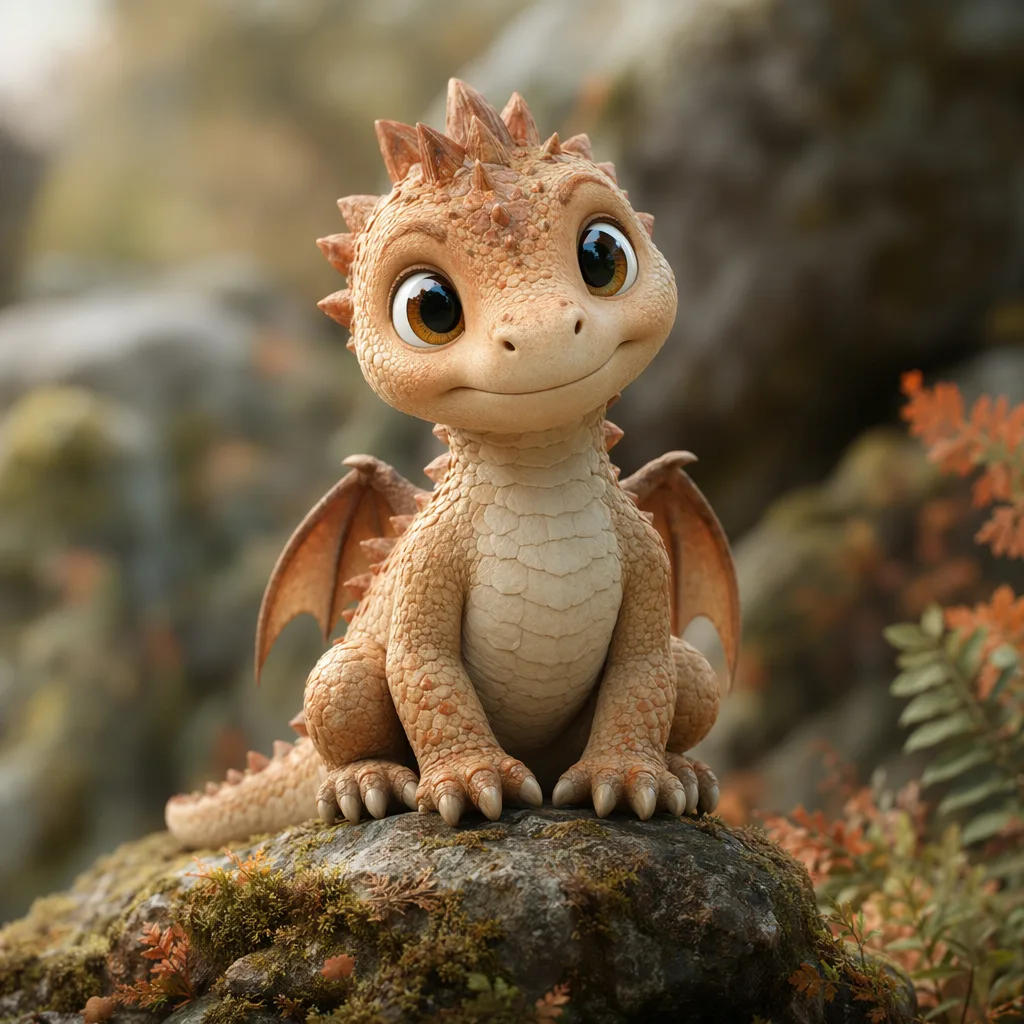
AI generated 3D baby dragon character on a mossy stone
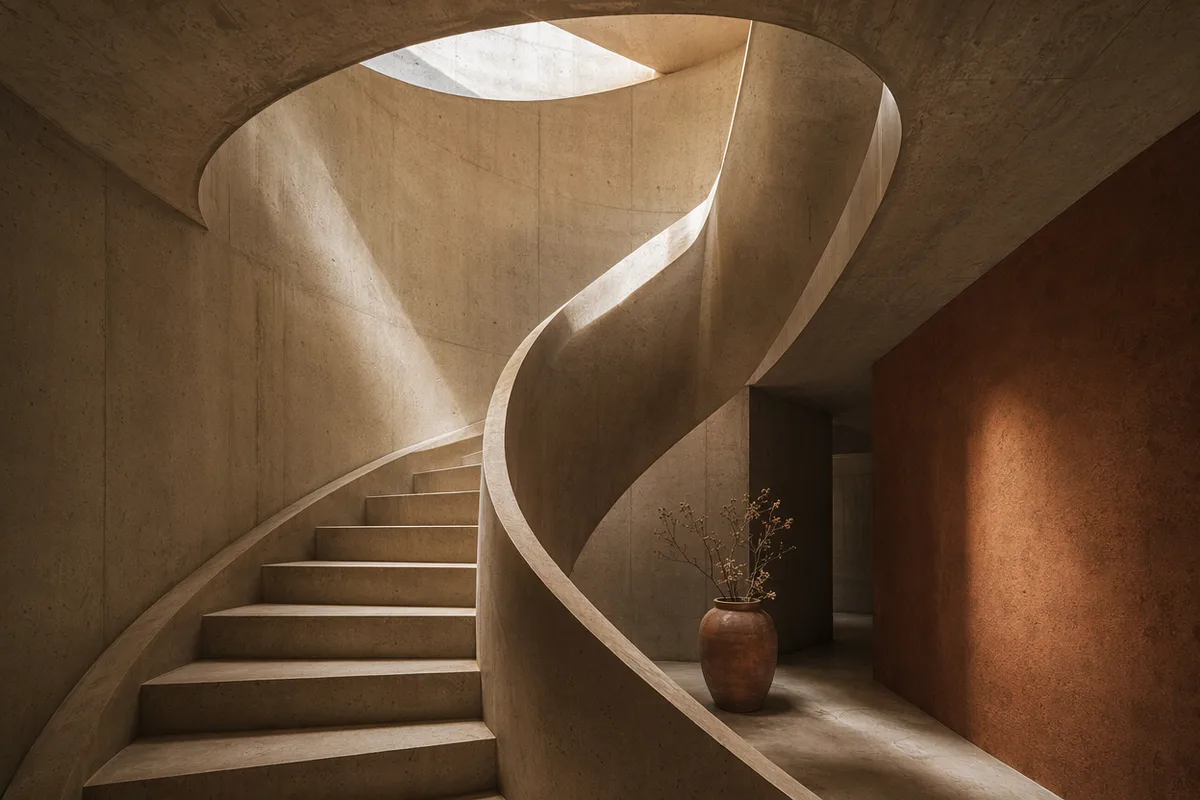
AI generated architectural photo of a warm concrete spiral staircase
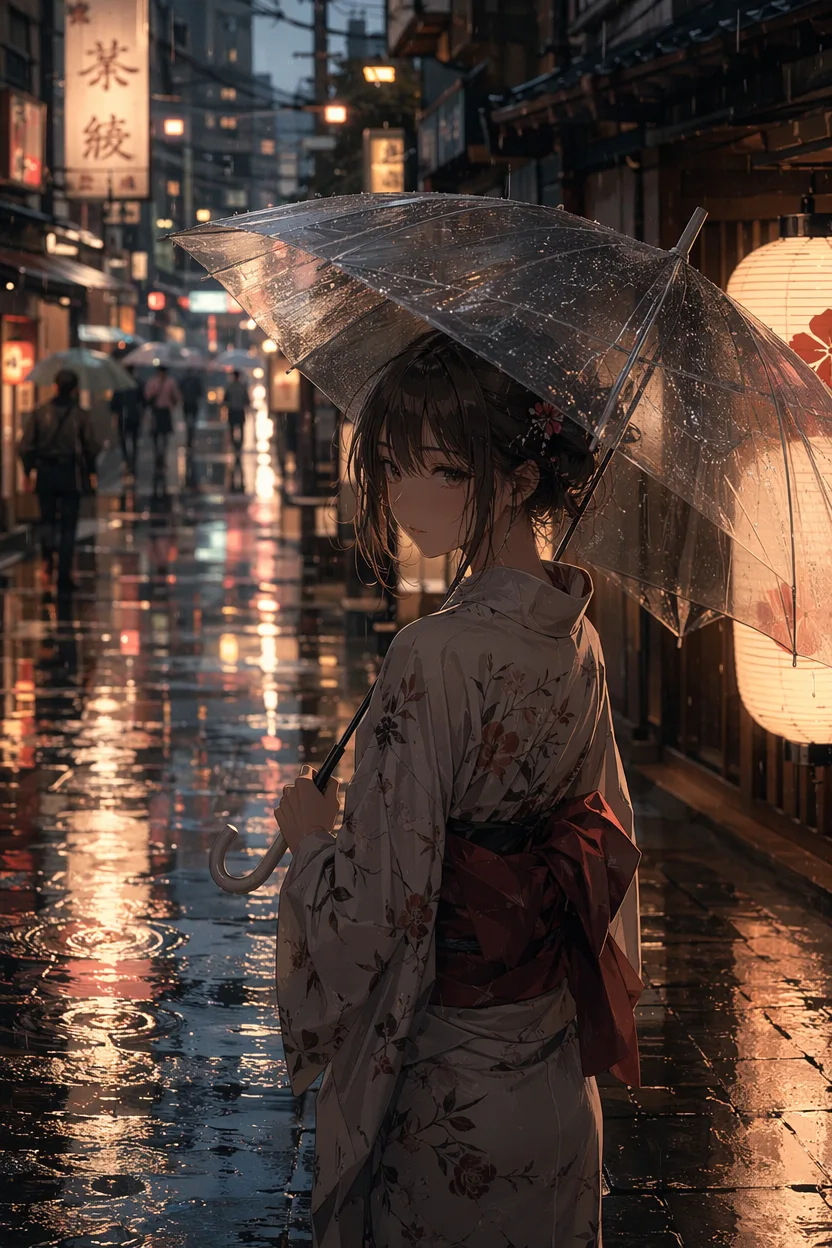
AI generated anime illustration of a girl with an umbrella on a rainy neon street
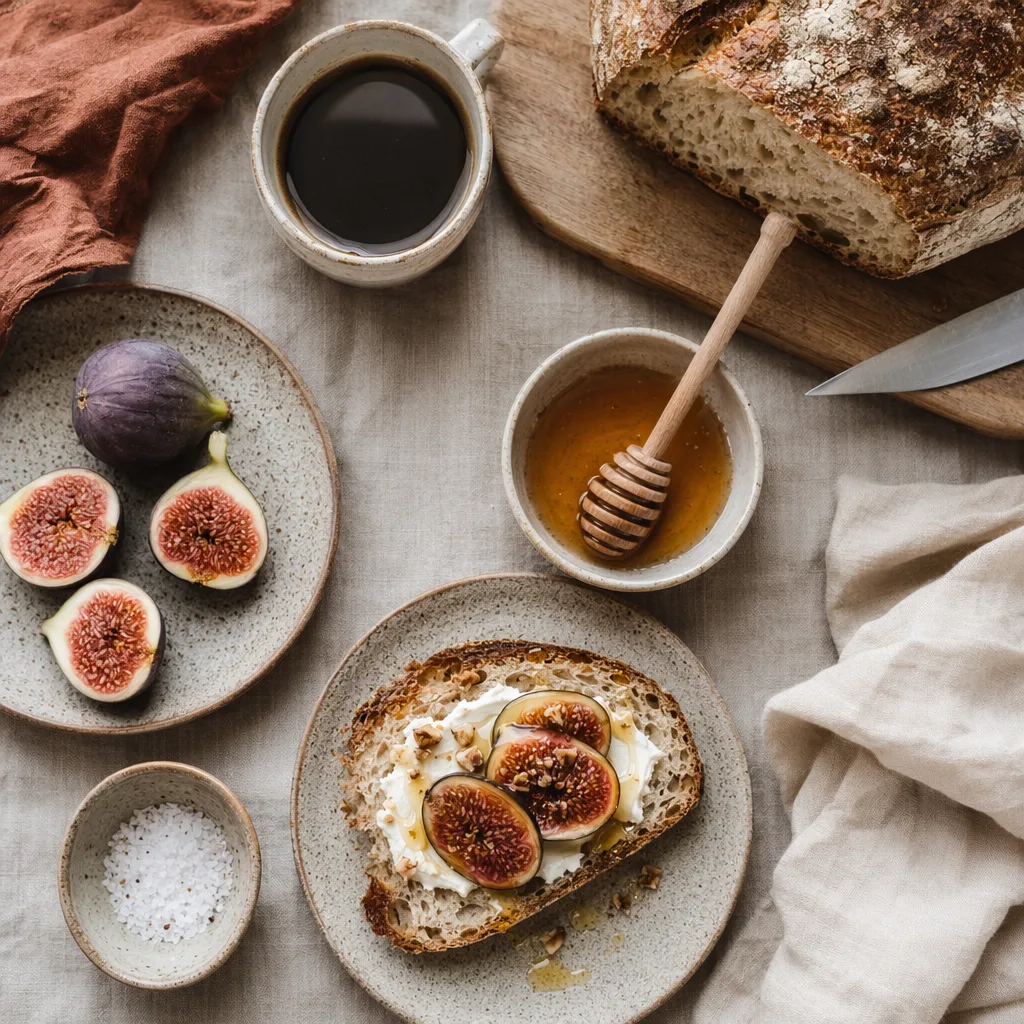
AI generated overhead food photography of a rustic breakfast spread
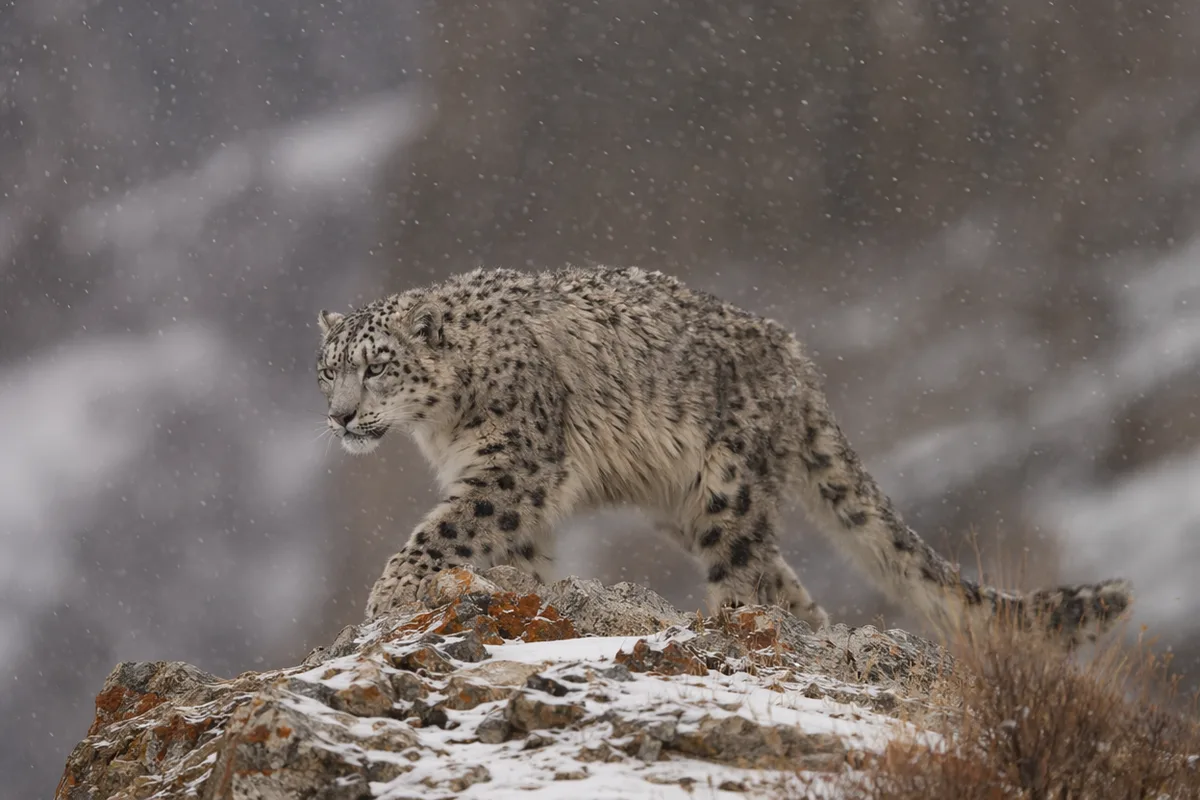
AI generated wildlife photo of a snow leopard in falling snow
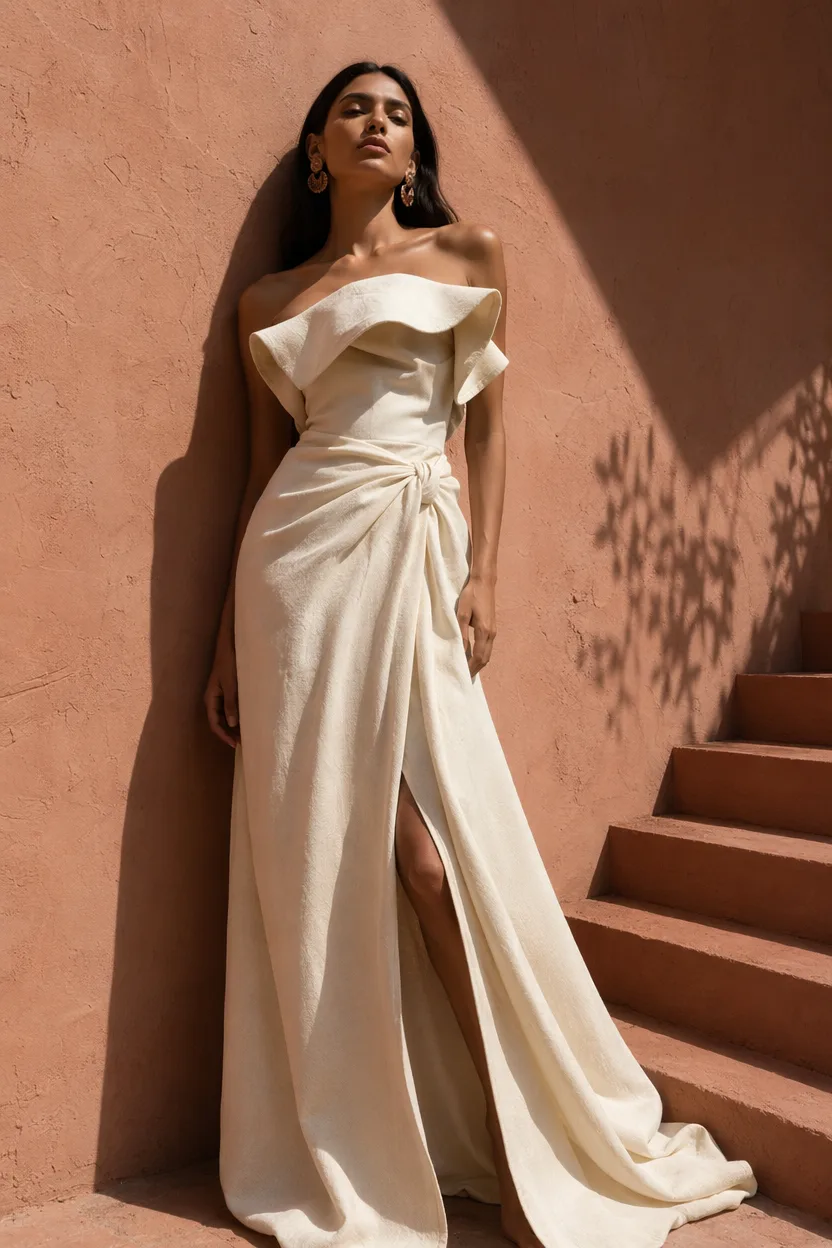
AI generated high fashion editorial portrait against a terracotta wall
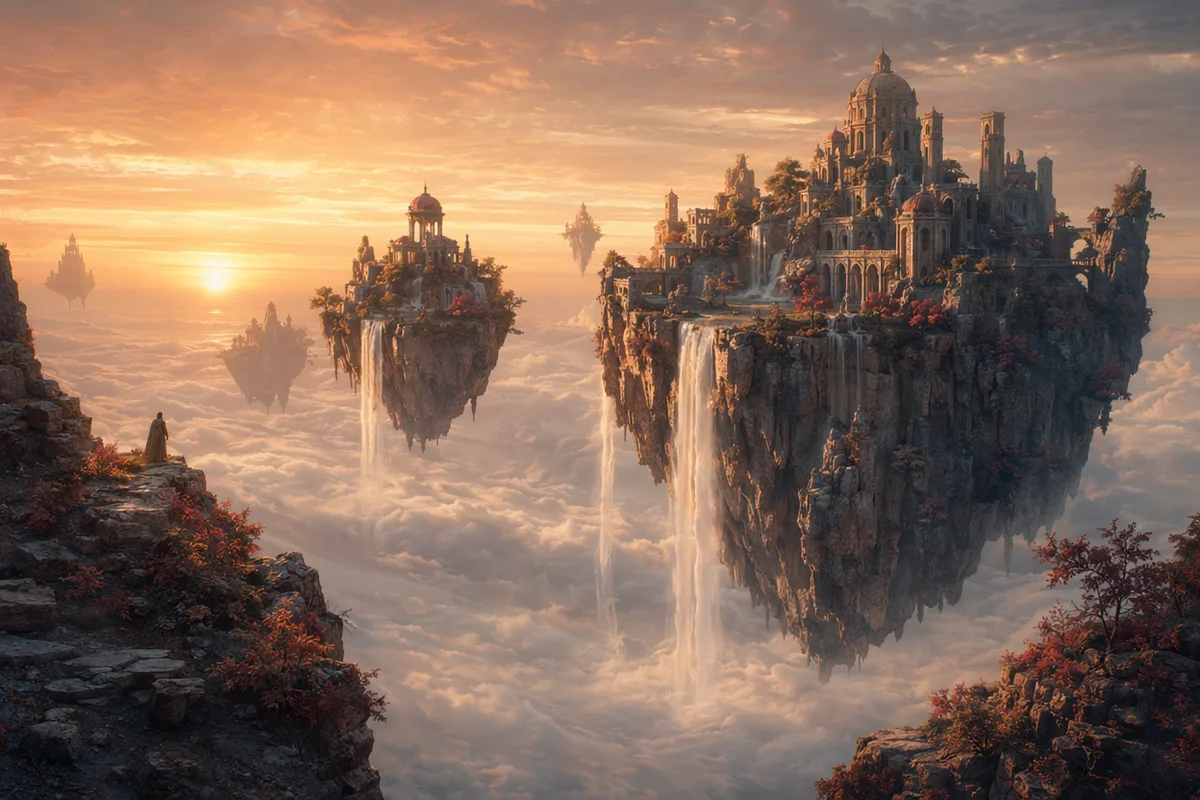
AI generated fantasy landscape of floating islands with waterfalls

Image to Image Models Built for Reference Work

The engines that hold a subject steady while everything around it changes.

Image to Image Specifications

InputOne or more reference images plus a text instruction. JPG and PNG accepted.
Reference limitUp to 5 images on Nano Banana Pro; one or two on most other engines. The panel shows the limit for the model you selected.
Best-suited modelsNano Banana 2 and Nano Banana Pro for fusion and identity, Qwen Image Edit Plus for precise local changes, GPT Image 2 for instruction-heavy edits.
ResolutionUp to 2K on most models; 4K on the Ultimate plan.
CostPer image, by model: 20 to 40 credits for most reference workflows. Shown before you generate.
OutputA new image — your source file is never overwritten. Both stay in your history.

How to Use the Image to Image Generator

Upload, describe the change, generate — three steps.

  1. 1

    Upload your reference

    Attach one or more reference images. The image to image generator reads composition, subject, and style from what you give it.

  2. 2

    Describe only what should change

    Say what to alter and what to preserve. Naming what stays fixed is what separates a clean image to image result from a full regeneration.

  3. 3

    Generate and iterate

    Compare against the original, adjust the instruction, and rerun. Every version keeps its reference and prompt in history.

How to Write an Image to Image Prompt

Image to image prompts work differently from text to image: the model already has the picture. Your job is to say what changes and what must not.

1

What stays

Name the things that must survive the edit. This is the part most people skip, and it is the part that decides whether it still looks like your photo.

keep the same face, pose, and clothing

2

What changes

The single transformation you want. One per generation.

replace the background with a sunlit olive grove

3

How it should look

Style, light, and finish of the new version.

warm late-afternoon light, soft film grain

4

Framing

Only if the crop or ratio should change.

widen to a 16:9 crop

Vague

make it better

Specific

keep the subject and pose exactly; relight the scene with soft window light from the left, remove the cluttered shelf behind her, keep the warm colour of her sweater

Why it works

“Better” is not a direction — the model guesses, and the guess rarely matches yours. Naming what to keep, what to remove, and how to light it gives it three unambiguous instructions.

Vague

turn this photo into anime

Specific

convert to anime illustration, cel shading with clean linework; keep the hairstyle, glasses, and the red jacket; same three-quarter pose and framing

Why it works

Style conversions drift on identity unless you anchor them. Listing the two or three features you would use to recognise the person is usually enough to hold it.

Habits worth dropping

  • Asking for an “identical” or “exact” face. On these models that wording pulls toward a stiff, pasted-on look. Describe the person and let expression move — it reads more like them, not less.
  • Changing several things at once. Background, outfit, and lighting in one prompt means you cannot tell which instruction caused a bad result. Iterate one change at a time.
  • Forgetting to say what stays. If you only describe the new background, nothing protects the subject — and the model is free to redraw them too.

Beyond Image to Image

Reference-driven generation is one step. The rest of the pipeline is in the same account.

Helpful Resources About Image to Image AI

Image to Image Pricing and Free Daily Credits

Image to image generation starts free with 80 daily credits. Paid plans add premium engines, higher resolution, and faster queues.

Free

$0

Perfect for getting started

  • 200 welcome credits, up to 80/day
  • Z Image Turbo drafts at 0 credits
  • Standard generation speed
  • Generation history included
Get Started

Premium

Most popular
$29/month

Billed annually · $240/year

  • 8,000 credits/month, no daily limits
  • All premium models — GPT Image 2, Nano Banana, Seedream, Seedance, Veo, Kling
  • 5x generation speed, priority queue
  • AI prompt enhancement
Upgrade to Premium

Ultimate

$49/month

Billed annually · $380/year

  • 18,000 credits/month, no daily limits
  • HD generation up to 4K resolution
  • Priority support
  • Fastest queue and early access to new models
Upgrade to Ultimate

Image to Image — Frequently Asked Questions

1

What is image to image AI?

Generation guided by reference images: you upload one or more images, describe the change, and the model produces a new image that keeps what you specified — subject, composition, style — while changing the rest.

2

How many reference images can I upload?

It depends on the model — Nano Banana models fuse multiple references, and GPT Image 2 accepts up to 16. The panel shows the limit for the selected model.

3

Which model is best for keeping a character consistent?

Nano Banana 2 and Nano Banana Pro are the community picks for character consistency and face preservation across scenes and edits.

4

Can I just change one part of an image?

Yes — for surgical local edits like removing an object or changing one color, use Qwen Image Edit Plus, which preserves everything you did not ask to change.

5

Does it work with product photos?

Yes — background swaps, scene placement, and restyling with automatic lighting adjustment are core e-commerce workflows here.

6

How much does it cost?

Per-image credit costs depend on the model — from 20 credits for Nano Banana upward — and are always shown before you generate. Free accounts get 80 daily credits.

7

Will my uploaded photos stay private?

Uploads are used to fulfil your generation and stored securely. Everything you create is private by default — no other user can see your generations.

8

What is the difference between image to image and an AI image editor?

Image to image regenerates a new picture guided by your reference — composition and subject carry over, but the pixels are new. An AI image editor changes a specific region and leaves the rest of the original file untouched. Use image to image for restyling, the editor for retouching.

9

How many reference images can I upload?

It depends on the model. Nano Banana Pro accepts up to five for fusion work; most other engines take one or two. The panel shows the limit for whichever image to image model you have selected.

10

Will image to image keep a face recognisable?

Largely, on the models built for it — but identity preservation is a spectrum, not a switch. Asking for an "identical" face tends to produce stiff results; describing the person and letting expression vary usually looks more like them.

Upload a reference and direct the change

Start Transforming Images

Discover our one-click AI image tools

One-click tools for everything around generation — polish, restyle, and share.