
Cinema Studio
One idea in, a short film out
Write a synopsis, let the AI director break it into shots, lock your cast — then shoot a cheap draft before paying for the final look.
Story
A logline is enough — the director does the shot math
AI Director
Synopsis → shot list. Re-direct any time; editing the cards is always free
Editing the storyboard afterwards is free. If the director fails, credits are refunded automatically.
Storyboard
Structured shot cards — the whole board compiles into one generation
One constant phrase for your lead, reused in every shot — keeps your character recognizable
No shots yet — run the AI Director above, or build the board by hand.
Cast
Optional — a cast photo anchors your lead across the whole film
🎭 Cast lock · Kling elements
Mint your lead once as a Kling element — high-fidelity casting that keeps your character recognizable in every shot.
Draft round
Always roll the cheap draft first — approve the story before paying for the look
Seedance Mini · Draft
Whole-film rhythm check on the cheap — approve the story before paying for the look
Final round
Same storyboard, cinema-grade engine — pick the finish
Tip: mint an element in step ④ for high-fidelity casting across shots. Works without one too.
Failed generations are refunded automatically.
Story Templates
Start from a film people already love
Complete storyboards from the most-loved short-film genres — preview the film, then make it yours
Pet Drama
The internet's most viral genre — animals with inner voicesPOV Story
First-person monologues everyone relates toTransformation
Before → after reveals that always get savedMystery & Suspense
Fifteen-second whodunits and soft scaresASMR & Craft
Satisfying hands-at-work close-ups with real soundMicro-Movie
Cinematic mood pieces, trailers and day-in-the-lifeWhat is Cinema Studio
One idea in, a short film out — an AI director that turns a synopsis into cinema
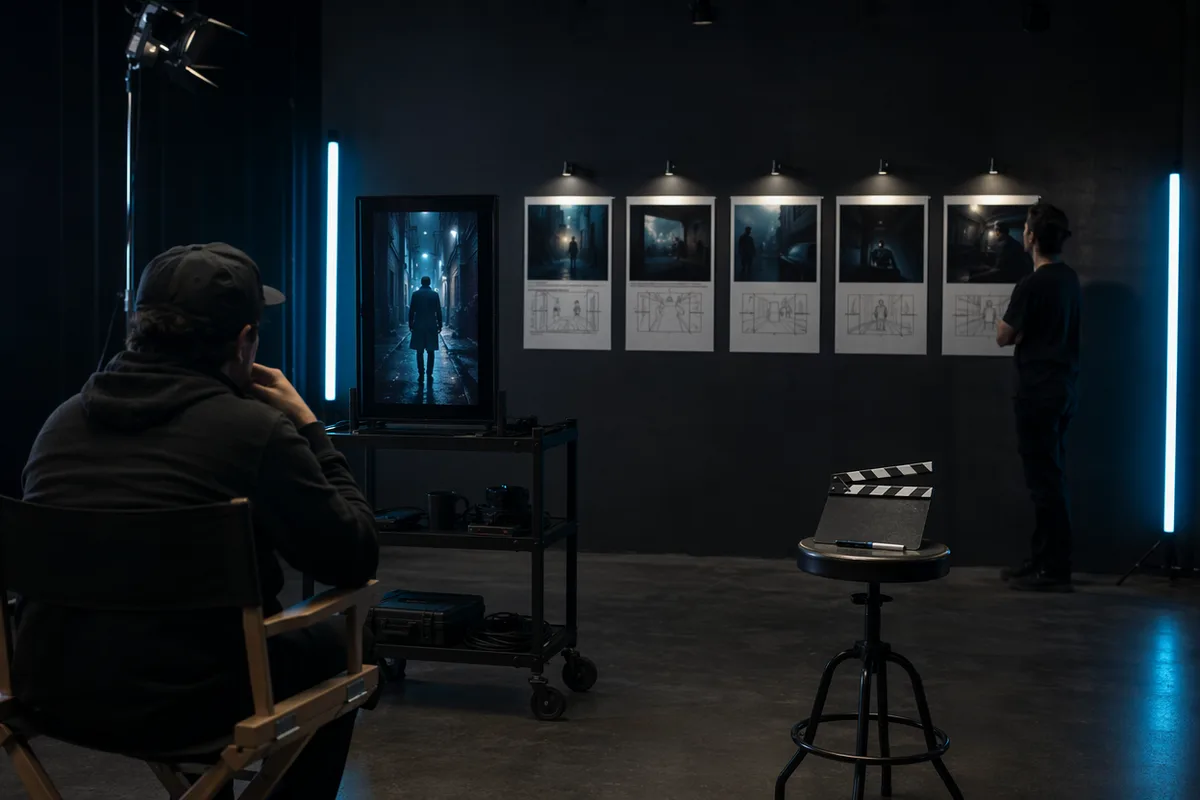
Cinema Studio is a multi-shot short-film workspace run by an AI Director. You type a synopsis; the Director breaks it into an editable storyboard of structured shot cards — shot type, camera move, action, dialogue and duration for each. You cast a lead from 12 AI actors or your own photo, and every creative decision is a concrete field on a card, never an adjective buried in a prompt.
The whole film is generated in one model-native multi-shot pass — the engine reads your storyboard as a single film, so the world, the light and your lead hold together across cuts without manual stitching. An optional character element keeps your protagonist recognizable from the first shot to the last, and dialogue on the shot cards is rendered as native speech by the engine itself.
It’s built for the economics of actually finishing something: a cheap full-film draft round to approve the rhythm, then one final render on a cinema-grade engine. The complete price is on the button before every generate, and failed generations refund automatically. Write, direct, cast, draft, film — that’s the whole pipeline.
5
shots per film in V1
15s
max film length in V1
12
AI actors ready to cast
2
cinema-grade final engines
1
multi-shot pass — no stitching
2
aspect ratios: 9:16 & 16:9
Built against the complaints
We read what AI filmmakers actually complain about. Then we built the answers in.
Face-swap workarounds, credit black-boxes, full-price coin flips, audio pipelines held together with tape — the complaints below are real, and each card shows the concrete mechanism that answers it. No promises without a mechanism behind them.
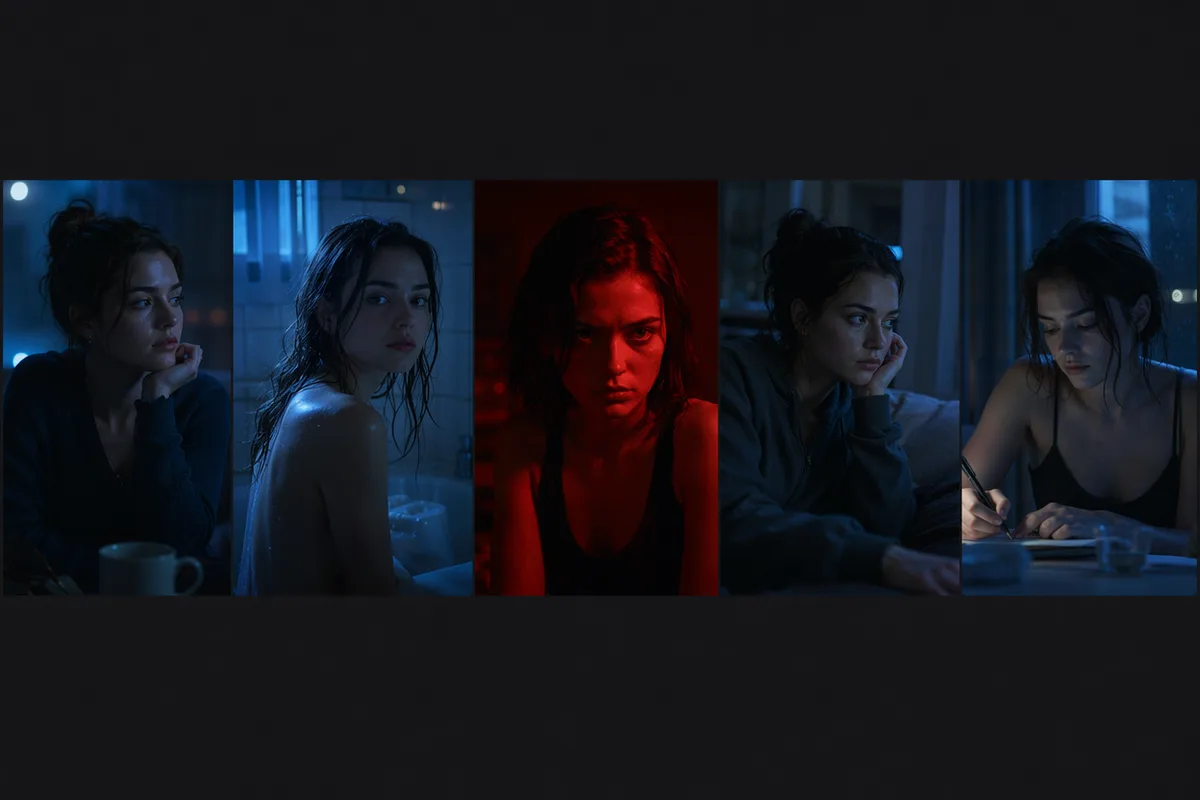
“By shot three my protagonist is a different person. I spend more time face-swapping in another app than actually making the film.”
Character drift & face-swap hacks
Cinema Studio mints your lead as a character element — a reference the engine itself carries into every shot. Your protagonist stays recognizable from the opening wide to the final close-up because consistency comes from inside the model, not from a face-swap pipeline you bolt on afterwards.
“I never know what a film will cost until the credits are already gone. And when a generation fails, the credits are gone anyway.”
The credit black-box
The full-film price sits on the button before every generate — draft round and final round, each priced up front, no hidden multipliers. And if a generation fails, the credits come back automatically. No support ticket, no arguing.
“Every render is a coin flip at full price. I paid for the premium engine four times before the pacing finally worked.”
The one-shot gamble
You never pay cinema prices to discover your story doesn’t work. The draft round renders the whole film on a cheap engine first — same shots, same rhythm — so you approve the storytelling for pocket change, then spend the real budget once, on a cut you already believe in.
“Video in one tool, voices in a TTS app, lip-sync in a third, then pray it lines up in the edit. The audio pipeline is half the work.”
The split audio workflow
Dialogue lives inside the shot cards, right next to the camera move. The engines render native speech and sound with the picture — no separate TTS pass, no lip-sync tool, no realignment in an editor. What your character says is part of the shot, not a post-production project.

“My ‘storyboard’ is a 900-word prompt. Change one camera angle and the whole thing collapses into something different.”
Prompt soup instead of a storyboard
The AI Director hands you a structured storyboard — each shot is a card with its own shot type, camera move, action, dialogue and duration. Want a push-in instead of a static frame? Change one field on one card. The rest of your film doesn’t move.
“I wanted to make a 15-second short, and suddenly I’m learning a timeline editor with keyframes and layers. I’m a writer, not a colorist.”
Timeline-editor overhead
Cinema Studio is a film generator, not an NLE. There is no timeline to learn, no layers, no keyframes — you direct at the level of story and shots, and the engine delivers a finished film. If you love editing, take the download into your editor; if you don’t, you never have to open one.
“I generate six clips separately and glue them together, and it looks like six different films. The light changes, the room changes, everything changes.”
Stitched clips that don’t match
Your whole film is generated in one model-native multi-shot pass — the engine sees all your shots as one film and keeps the world, the light and the lead coherent across cuts. Continuity is the model’s job here, not yours.
Why Cinema Studio
Six mechanisms, not six adjectives
An AI Director, not a prompt box
Type a synopsis and the AI Director breaks it into a real shot list — wide, push-in, close-up — with action, dialogue and timing per shot. It’s a first draft from someone who knows film grammar, and every field of it is yours to override.
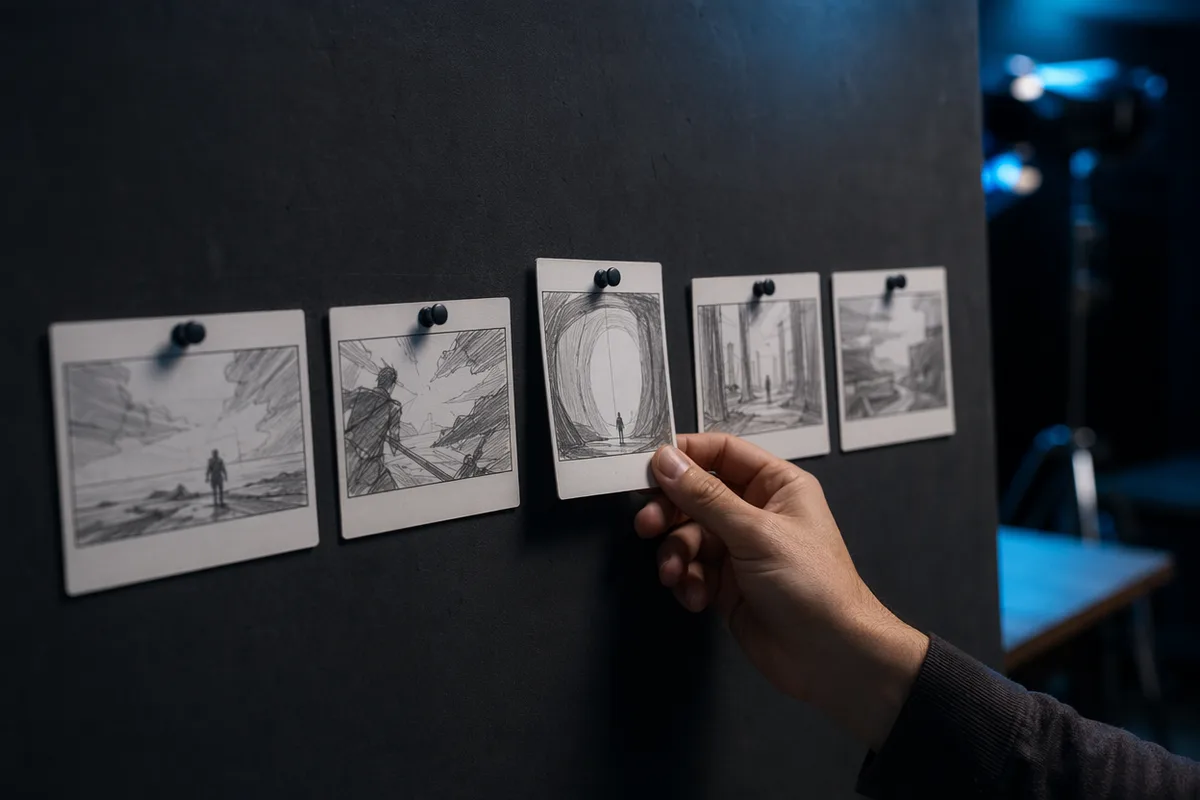
A storyboard you can actually edit
Each shot is a structured card: shot type, camera move, action, dialogue, duration. Editing your film means editing fields, not rewriting a wall of prose and hoping the model notices the one word you changed.
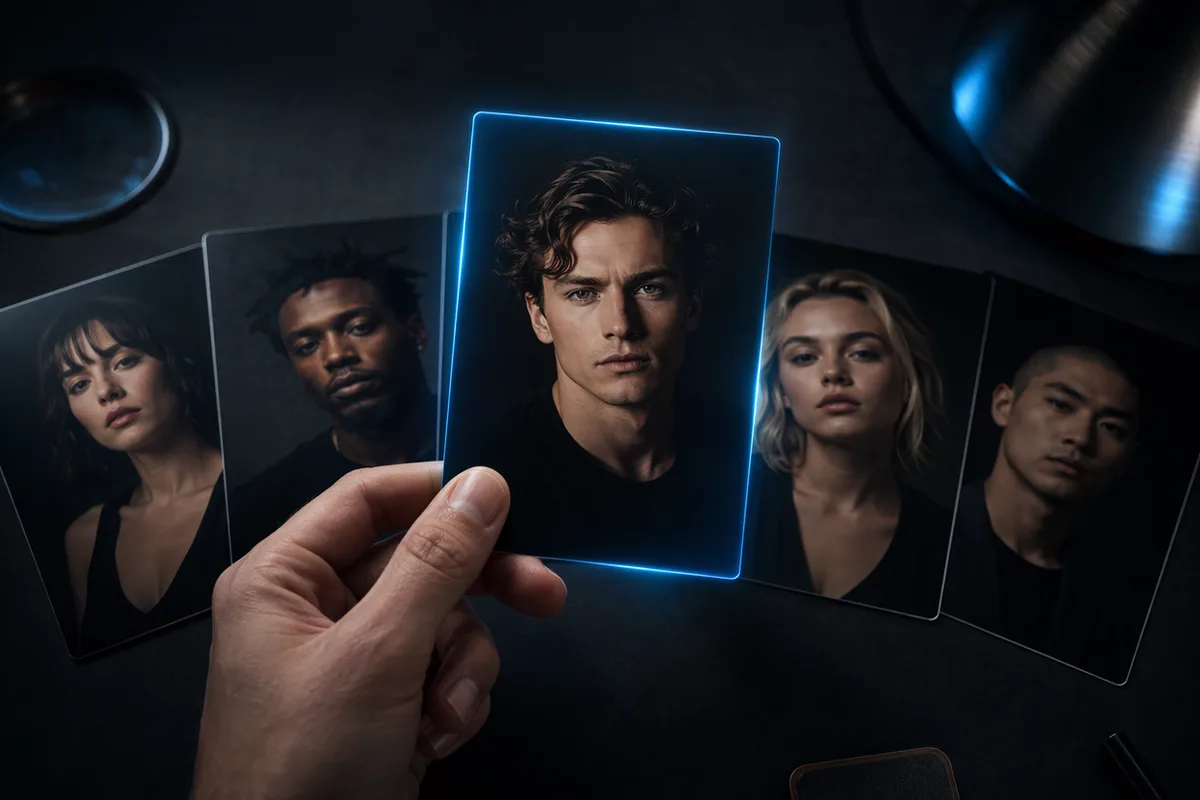
A cast that survives the cut
Pick one of 12 AI actors or upload your own photo, and mint them as a character element the engine references in every shot. Your lead stays recognizable across the whole film — high-fidelity consistency without a single face-swap workaround.
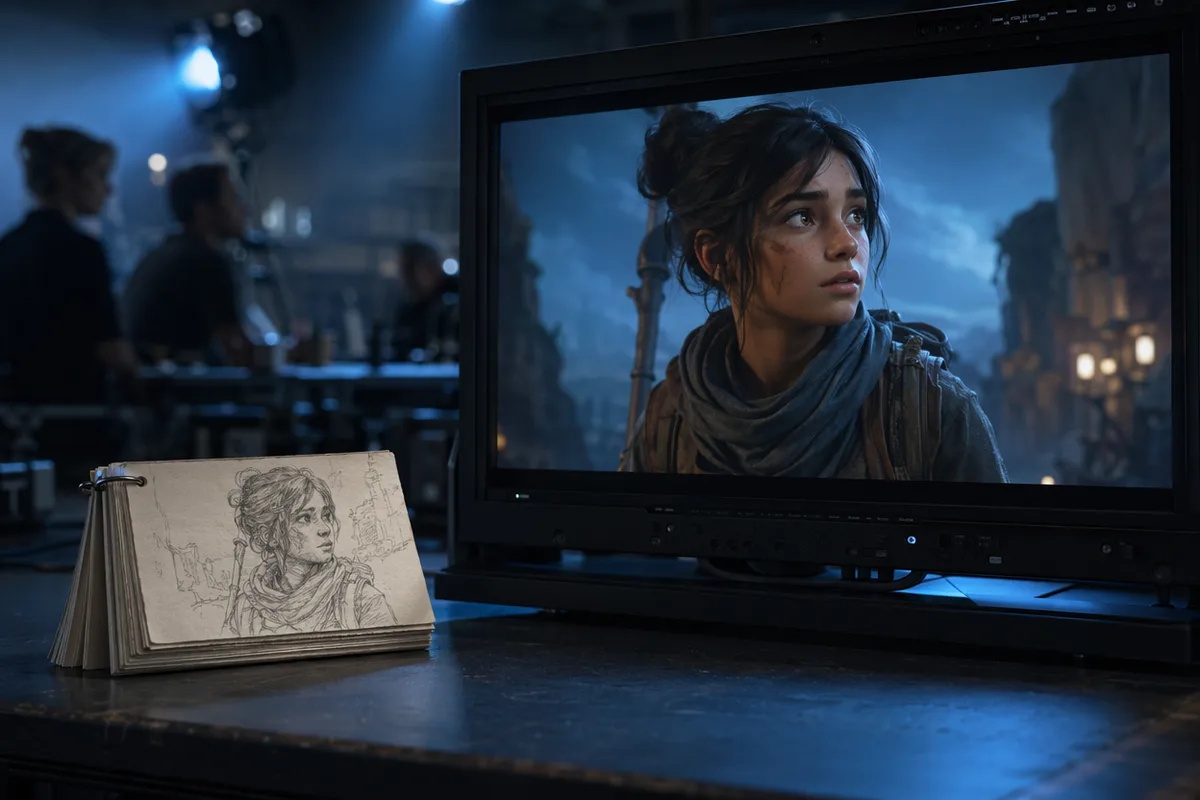
Draft cheap, film once
Every film gets a full-length draft round on a budget engine first. Watch the rhythm, fix the storyboard, re-draft as often as you like — and only send it to a cinema-grade engine when the story already works. The expensive render happens once, on purpose.
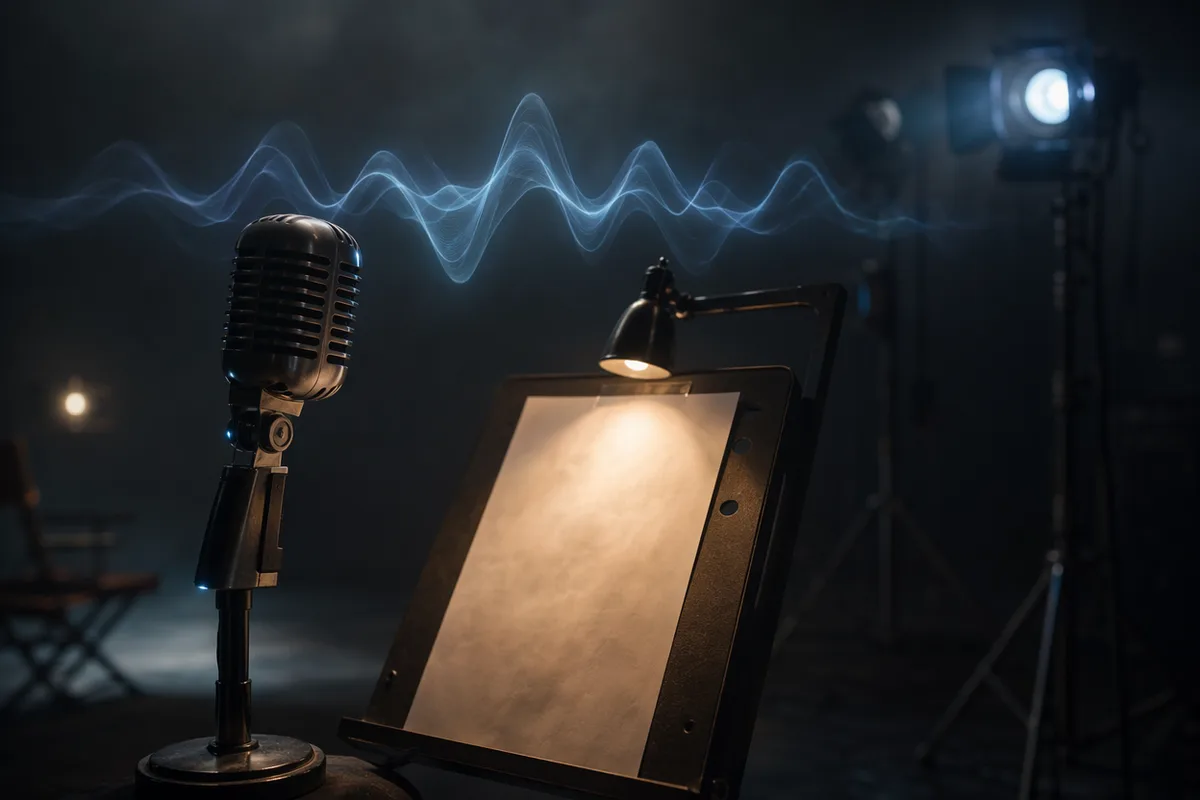
Sound is part of the shot
Write the line on the shot card and the final engines render native speech and sound with the picture — lip-sync included where the engine supports it. No TTS pipeline, no audio alignment, no silent films by surprise.

Honest pricing, automatic refunds
The whole-film price is shown before every generate — no per-second mystery math after the fact. If a generation fails, the credits refund automatically. You should be nervous about your third act, not your balance.
How it works
Synopsis in, short film out

Write the idea
One synopsis — a logline, a mood, a scene you can’t stop thinking about. Pick a genre frame like Teaser Trailer or Comedy Skit, or let the Director read it cold.
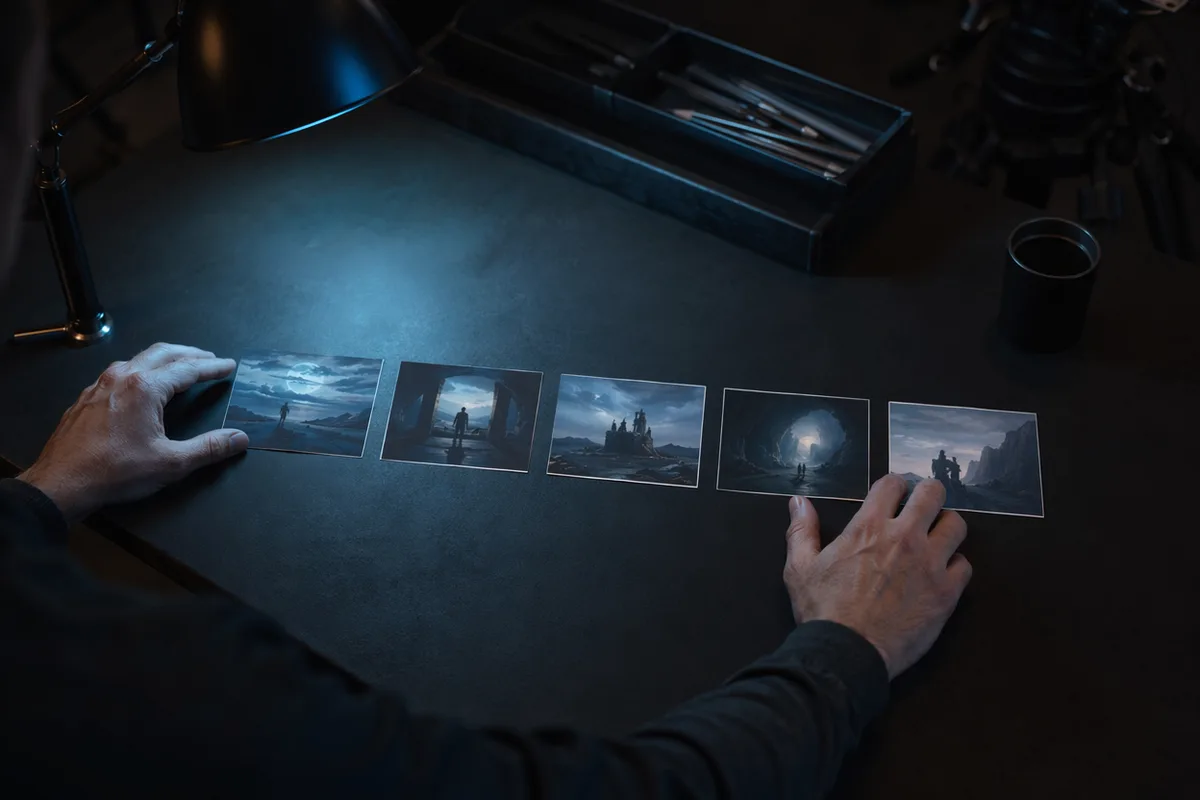
Direct & edit the storyboard
The AI Director returns up to five structured shot cards — shot type, camera move, action, dialogue, duration. Reorder, rewrite, retime: you have final cut before anything renders.
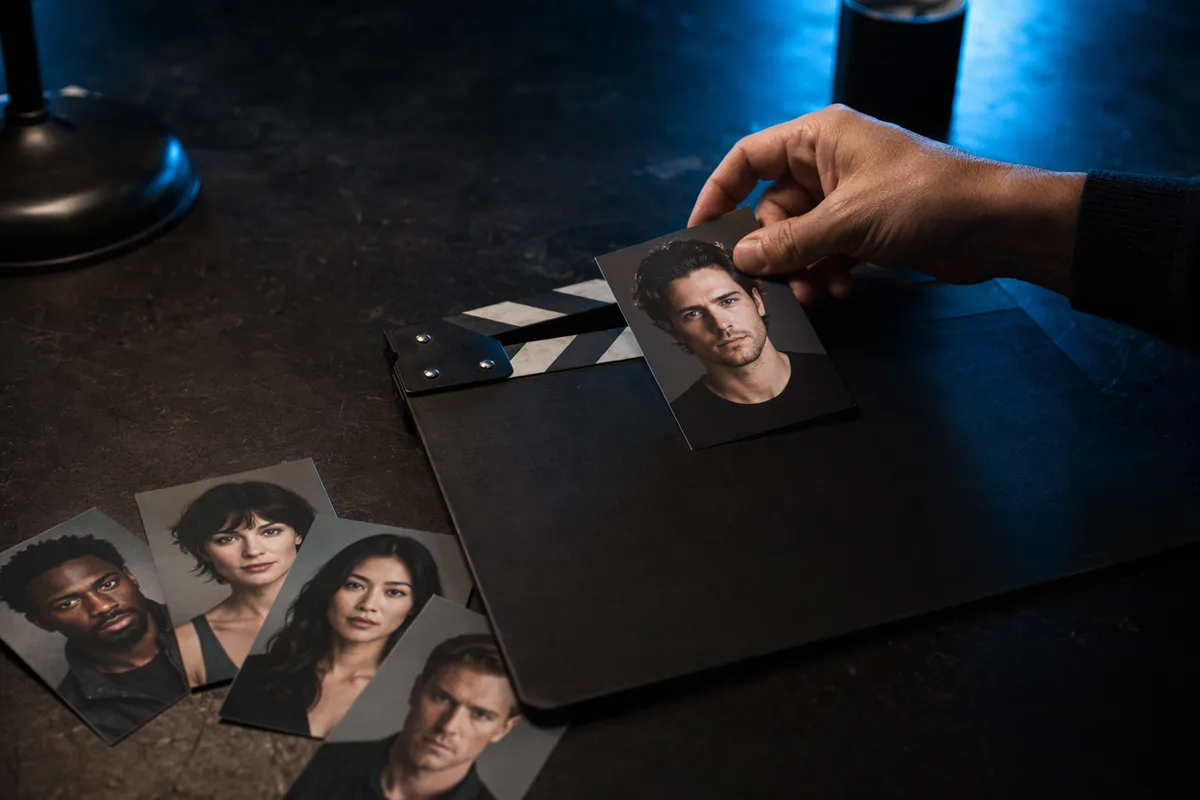
Cast your lead
Choose one of 12 AI actors or upload your own photo. Optionally mint a character element so the engine keeps your lead recognizable across every shot of the film.
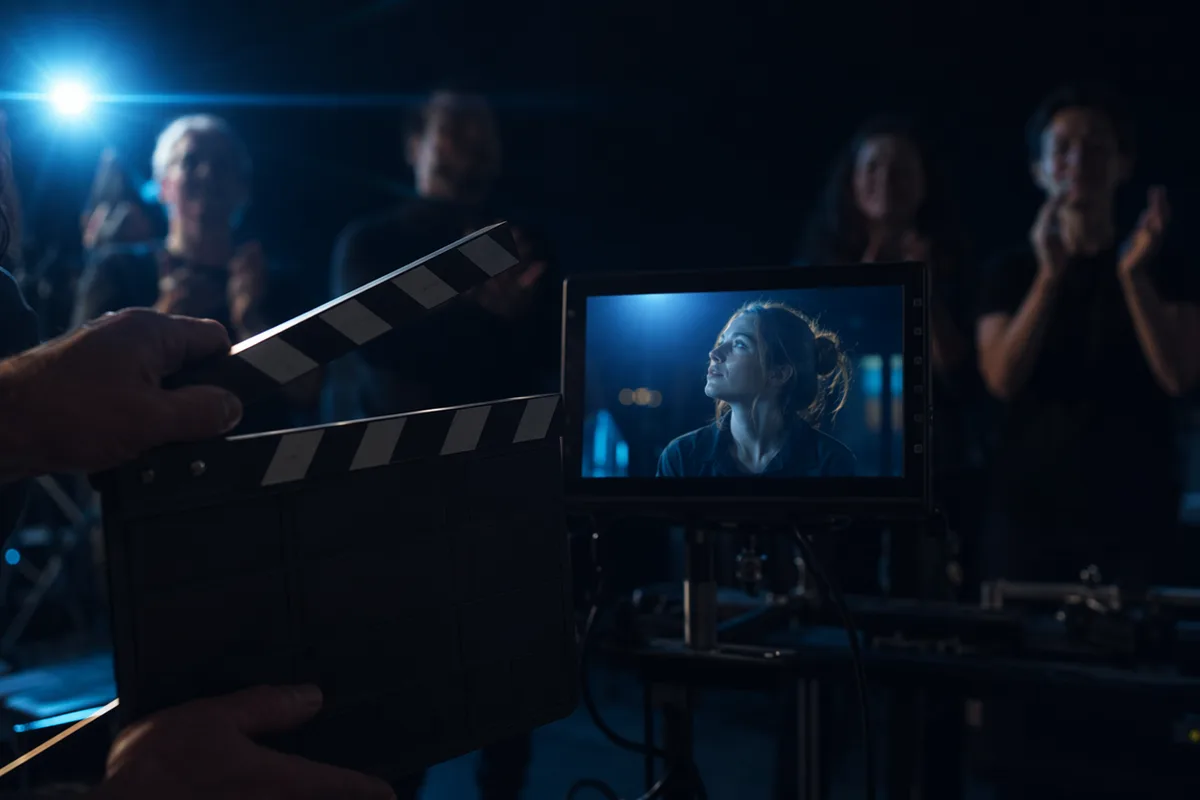
Draft, then film
Roll a cheap full-film draft to approve the rhythm, then send the same storyboard to a cinema-grade engine for the final render — one multi-shot pass, sound included. Download and premiere.
FAQ
Questions, answered straight
How long can my film be?
V1 films run up to 5 shots and 15 seconds total, with per-shot durations you control from the storyboard. That’s deliberate: short enough to iterate cheaply, long enough for a real beginning–middle–end. Longer films and a deeper director mode are on the roadmap.
Which engines does Cinema Studio use?
The draft round runs on Seedance Mini — a budget engine that renders your whole film cheaply so you can judge the storytelling. The final round runs on a cinema-grade engine: Kling 3.0 with character-element lock for the strongest cross-shot consistency, or Seedance 2.0 with native speech and lip-sync for dialogue-driven films.
What is a character element?
A character element is your lead, minted once as a reference the engine carries into every shot — from an AI actor or a photo you upload. Minting costs a one-time 30 credits, and if the mint fails the credits refund automatically. Once minted, the element keeps your protagonist recognizable across the whole film without any manual face-swap work.
How does the draft-versus-final pricing work?
Two rounds, two honest prices. The draft renders your complete film on the cheapest engine so you can approve pacing and story for a small spend — re-draft as many times as you like. The final render on a cinema-grade engine costs more, so you run it once, on a storyboard you’ve already validated. Both prices are shown in full before you press Generate.
What happens if a generation fails?
The credits come back automatically — drafts, final renders and element mints alike. Failed generations refunding by default is a design rule of the studio, not a support favor you have to request.
Which aspect ratios are supported?
Vertical 9:16 for feeds and Shorts, widescreen 16:9 for a classic cinematic frame. Each genre template suggests a sensible default — trailers lean 16:9, vlog diaries lean 9:16 — and you can override it per film.
What languages can my characters speak?
Dialogue is rendered in the language you write it in on the shot card. The final engines handle the major world languages well — English, Chinese, Spanish, Japanese and more — with speech generated natively by the engine rather than dubbed on top. For less common languages, run a cheap draft first to hear how the engine handles it.
Can I use my films commercially?
Yes — films you generate are yours to download and publish, including for commercial use. If you upload a photo to cast a real person, make sure you have their permission, and use each platform’s AI-content disclosure where required.
How is this different from Marketing Studio and Portrait Studio?
Three studios, three jobs. Portrait Studio shoots photographs of people. Marketing Studio produces vertical video ads that sell a product. Cinema Studio tells stories — multi-shot short films with a cast, a storyboard and dialogue. If your goal is a conversion, go to Marketing; if it’s an audience feeling something, you’re in the right place.
What’s coming after V1?
Longer films beyond the current 5-shot, 15-second frame, and a deeper director mode with more control over style, sound and per-shot references. V1 is intentionally the smallest complete film — the roadmap grows the canvas, not the complexity of using it.
Keep creating
Related tools & studios
The Director has read your synopsis. Places, everyone.
One idea, one storyboard, one cheap draft — see your whole film move before spending anything serious. Failed generations refund automatically.