Qwen Image Edit Plus AI Photo Editor

Qwen Image Edit Plus edits only — upload a photo and describe the change. Its standout is rewriting the words printed inside an image, English or Chinese.

0 / 2,000
~30 cr

What is Qwen Image Edit Plus?

Qwen Image Edit Plus is the September 2025 (2509) update of Alibaba's Qwen-Image-Edit, an Apache-2.0 open-weights model built on the 20B Qwen-Image base. It does one kind of work: give it 1 to 3 input images and an instruction, and it returns an edited image. On Artificial Analysis' image-editing leaderboard it sits mid-table, well below Nano Banana 2 and GPT Image 2 — what keeps it relevant is scope, plus speed.

It has real limits, and our tests hit three of them. Fine print it was told not to touch came back re-rendered into near-words, because it repaints the whole frame rather than masking your edit. Label text degraded through a three-image composite. And a Chinese calligraphy title was rewritten correctly but drifted to a heavier brush style. For whole-scene creative work or higher resolution, use Nano Banana 2.

Release details and capability claims are from the official model card: Qwen/Qwen-Image-Edit-2509 on Hugging Face

What reviewers say

Qwen-Image's standout strength is complex text rendering. It generates images with multi-line layouts and paragraph-level content in both Chinese and English.
Carl Peterson, Thunder Compute
Qwen Image Edit remains a strong option in 2026 when you need text editing inside images, bilingual English and Chinese text replacement, surgical object modification.
Sachin Rathor, Beyond Labs
The performance gap in general-purpose creative editing has widened in favour of closed alternatives.
Sachin Rathor, Beyond Labs

Every result below was edited here on 19 August 2026 with the exact instruction shown, on input images this site generated with other models. Seven of eight edits completed on the first run; one was retried once after a transient upstream error. Median time: 15 seconds.

Edits that touch only what you named — down to a point

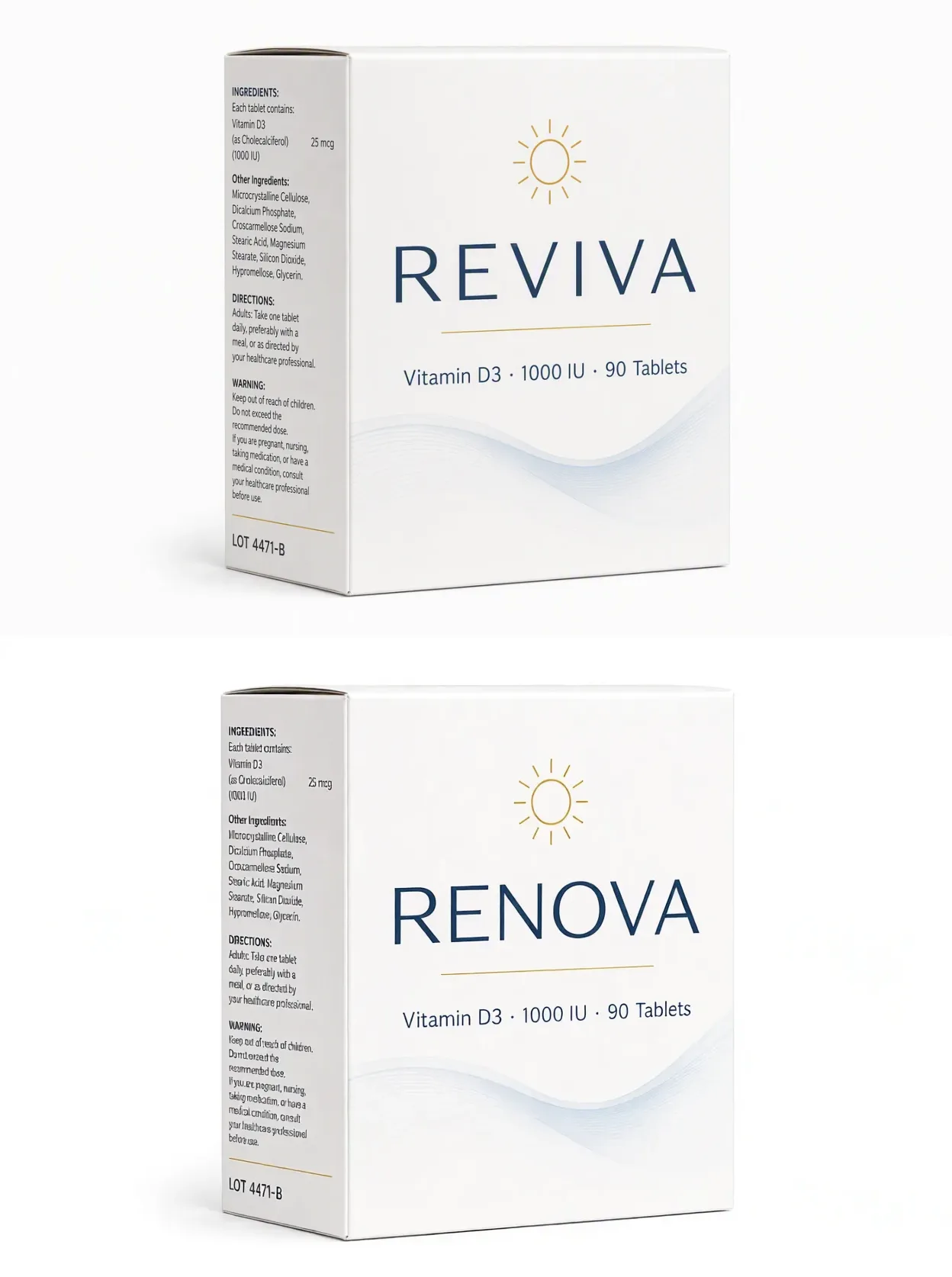
The claim this model is bought for is that everything you did not mention survives. We ran it twice, once to pass and once to break. Asked to remove a plate and fork from a food photo, it erased them and extended the table naturally — galette, thyme and window light intact. Then we asked it to change one word on a supplement box and nothing else: the brand name came back cleanly re-set, the mid-size lines and even the batch code survived, but the 8pt ingredients panel it was explicitly told to keep was re-rendered into words that only look like words. Both results are below, input above output, unretouched.
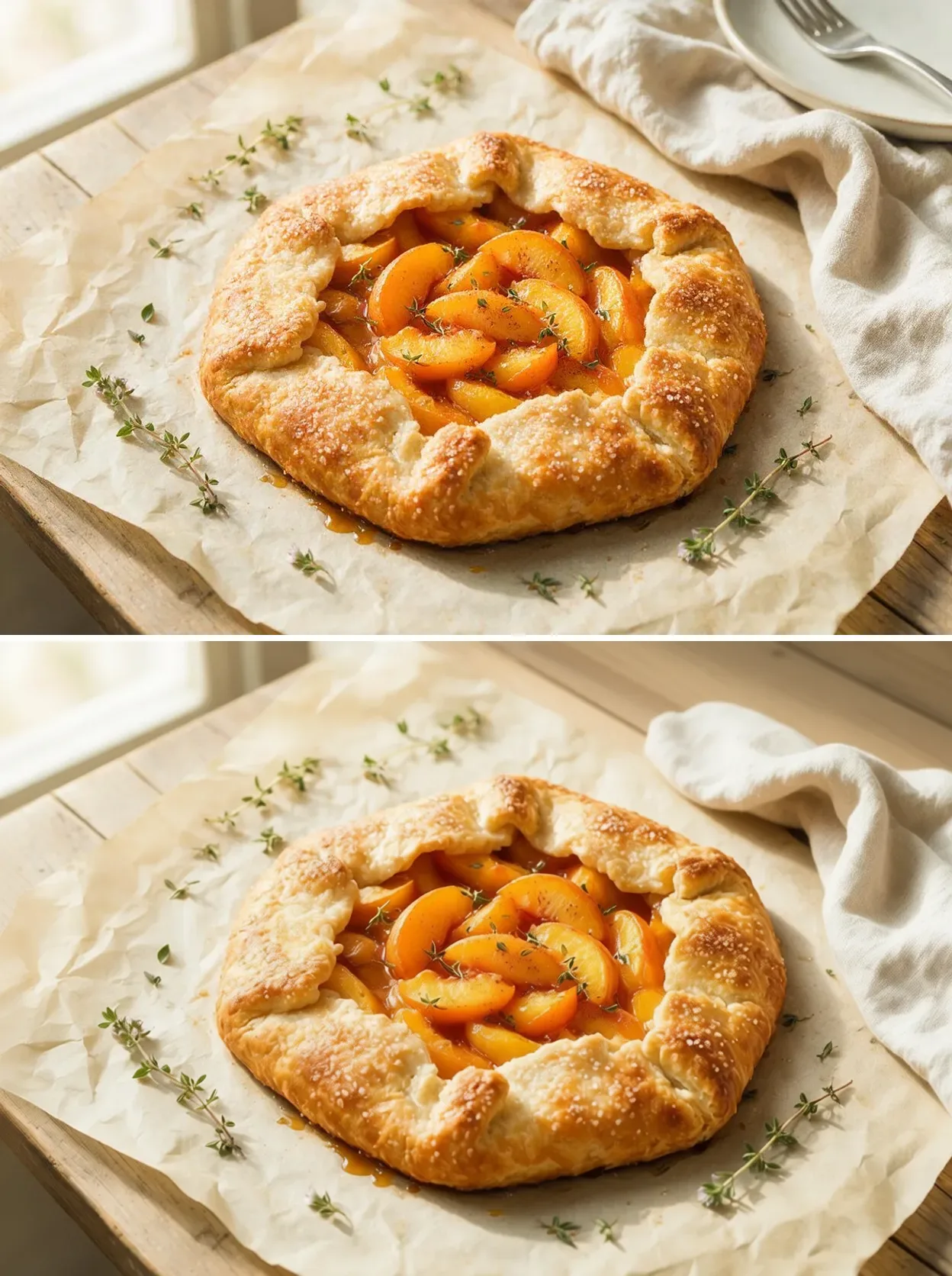
Removal — clean
Top: original galette photo with a plate and fork at the corner. Bottom: the same photo after Qwen Image Edit Plus removed them and extended the tableInput above, output below · 11s
Fine print — degraded
Top: original supplement box reading REVIVA with a legible small-print panel. Bottom: the RENOVA edit where the untouched ingredients panel degraded into near-wordsInput above, output below · 12s

The right-hand test is the one we designed to fail, and it did — partially. RENOVA, the dosage line and LOT 4471-B are perfect; the ingredients panel is not, because the model re-renders the whole frame rather than masking your edit. Keep must-survive fine print out of its hands: crop it away first, or add it back afterwards.
Rewrite the text inside the picture

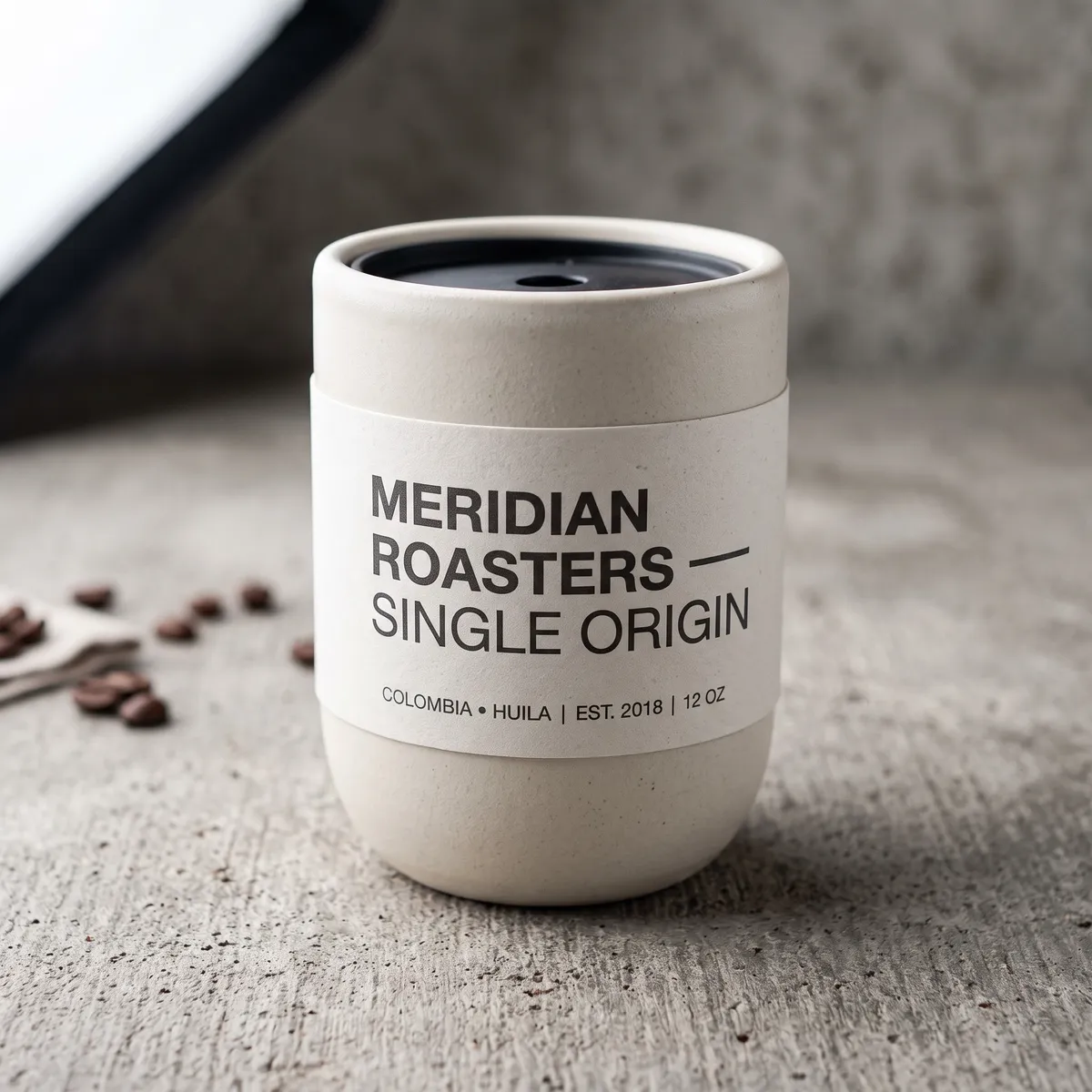
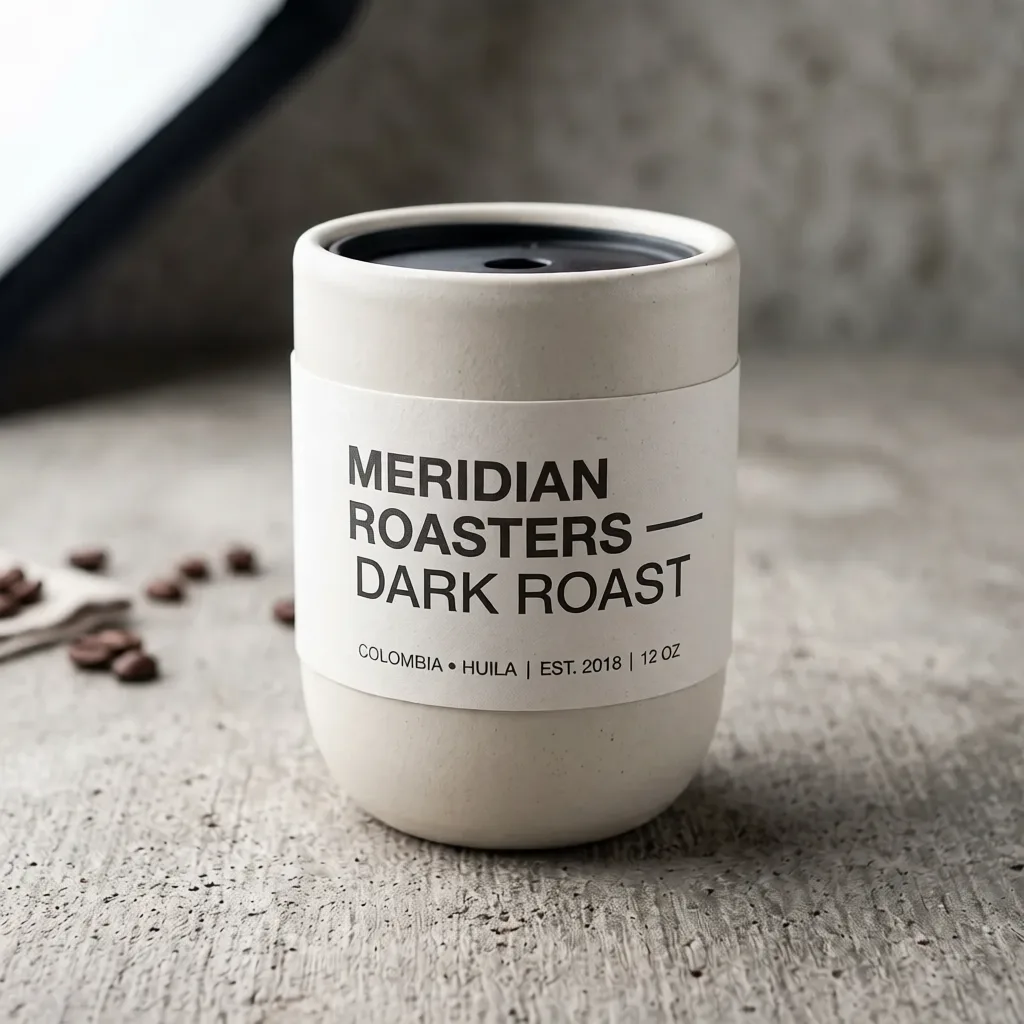
This is the capability reviewers rank it best-in-class on, and the one that separates it from general editors: it re-sets type instead of painting over it. We asked for one line on a coffee tumbler's label to change — SINGLE ORIGIN to DARK ROAST — naming everything else as untouchable. The new line came back in the same typeface and spacing, and the caption-size line under it (COLOMBIA • HUILA | EST. 2018 | 12 OZ) stayed correct and legible. The Chinese half of the claim is tested in the set further down: a four-character calligraphy title rewritten correctly, with one honest caveat noted there.

Input
Input image: ceramic coffee tumbler with a label reading MERIDIAN ROASTERS — SINGLE ORIGINInput — generated here with Nano Banana Pro
Output — one line changed
Output image: the same tumbler now reading MERIDIAN ROASTERS — DARK ROAST, caption line intactOutput · 15s

Zoom into the output: the em dash, the letter spacing and the caption line all held. The scene is re-rendered rather than copied — the scattered beans shift slightly — so treat "unchanged" as visually faithful, not pixel-identical.

Three images in, one scene out

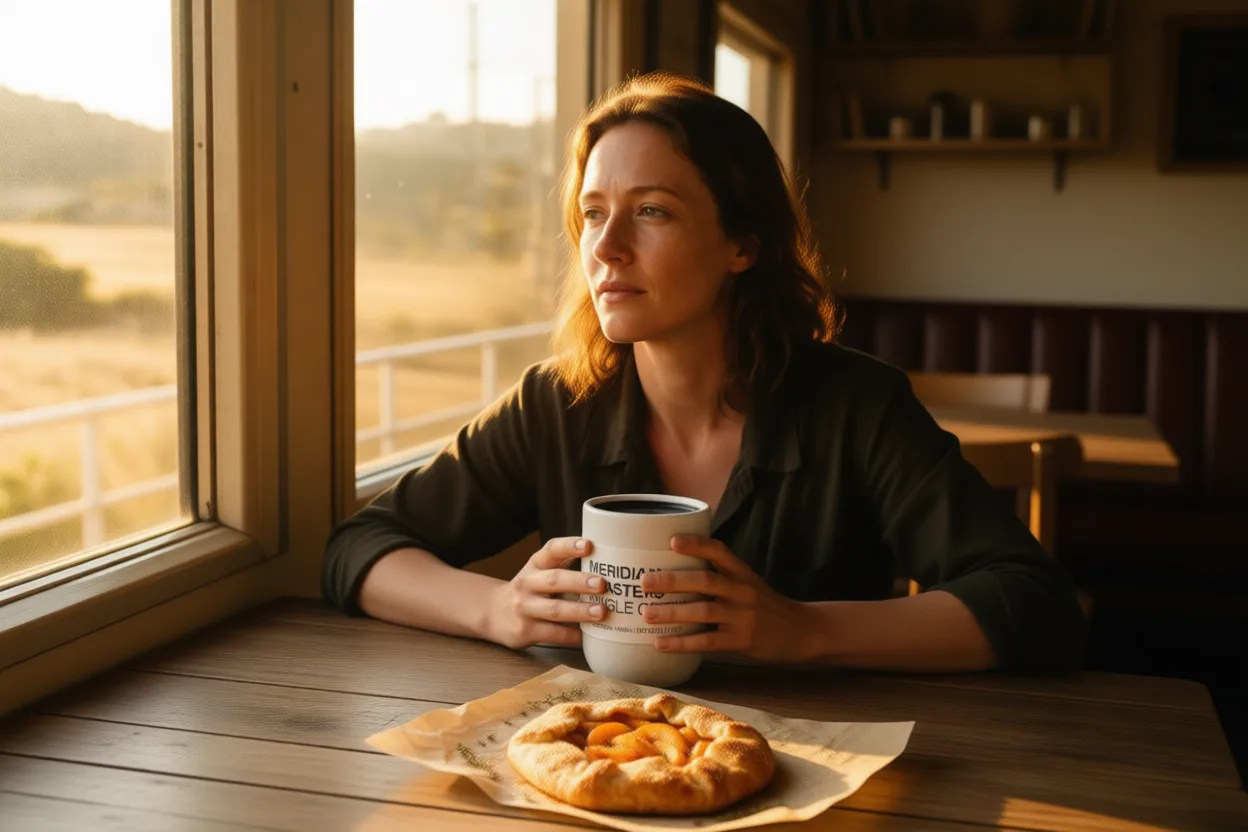
The 2509 update's headline feature is multi-image composition: person + product, person + scene, up to three inputs. We gave it the portrait, the tumbler and the galette from this page's other tests and asked for one cafe scene. The woman is recognisably the same person, the tumbler is in her hands, the galette is on the table, and the window light is consistent across all three — genuinely one scene, not a collage. The cost: the tumbler's label, which survived a single-image edit above, degraded into near-words through the composite. Plan multi-image work around that.

Qwen Image Edit Plus three-image composite: the woman from the portrait test holds the tumbler at a cafe table with the peach galette in front of her3 input images · 25s

All three inputs are images you have already seen on this page: the portrait from the identity test below, the tumbler from the text test above, the galette from the removal test. The instruction asked it to keep the label accurate; it kept the label's look, not its words.

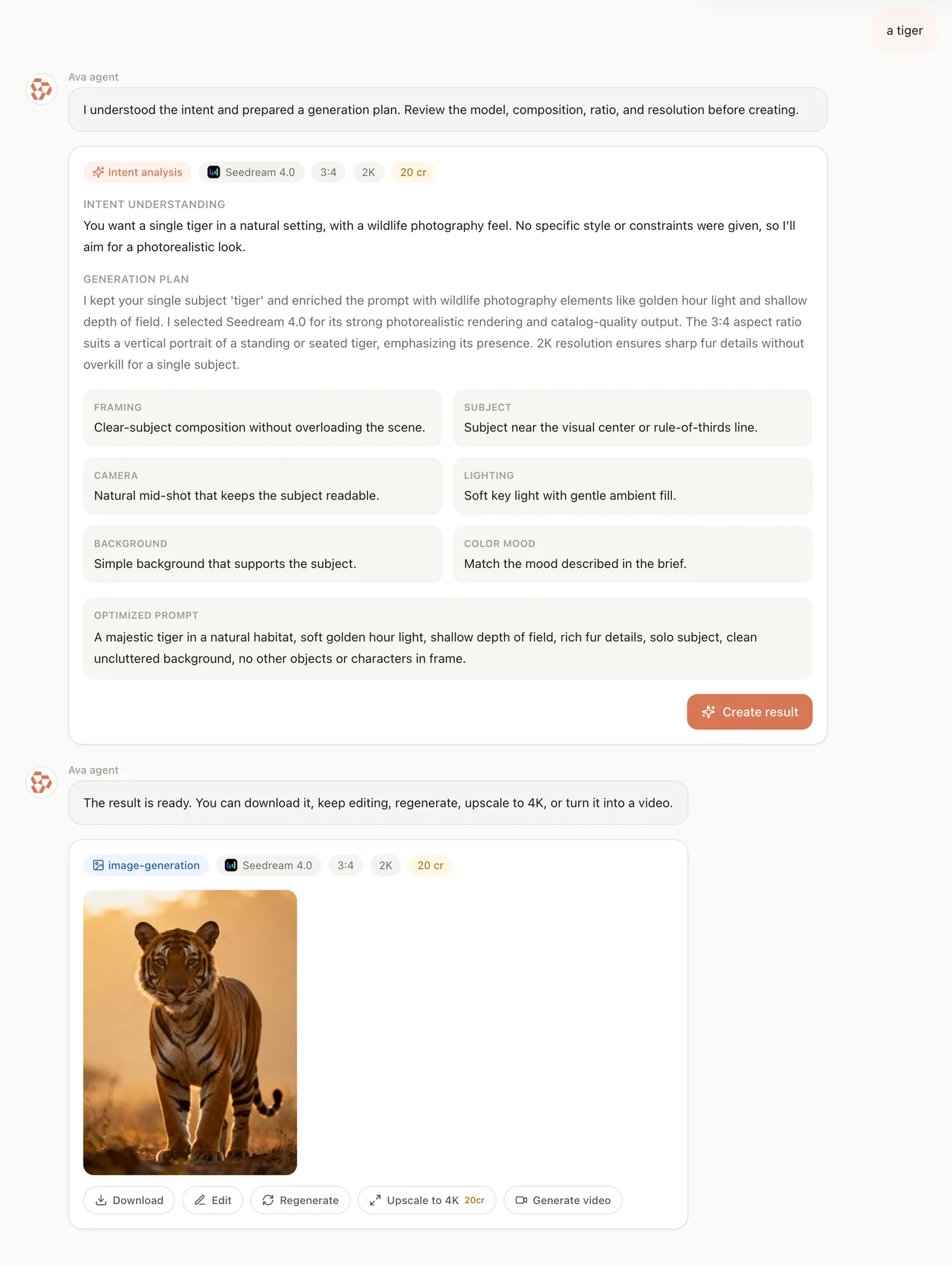
Ava agent recommending a model with ranking and credit context

No API key, flat pricing, and honest routing

Using this model directly means an Alibaba Cloud Model Studio account, an API key and per-image billing, or self-hosting a 20B model that wants serious GPU memory. Here it is signed-in-and-go: upload, type the instruction, and the flat credit cost shows before you run. Our Ava agent also knows this model's real profile — tightly-scoped text and object surgery — and routes away from it when the brief calls for something else: whole-scene creative restyling goes to Nano Banana 2, text-heavy artwork built from scratch goes to GPT Image 2. Every edit keeps its instruction and inputs in history, so a working recipe is reusable next week.

The rest of the test set, input beside output

Four more edits from the same 19 August 2026 run — background swap, Chinese text, identity preservation and full style transfer. Each image shows the input on the left and the output on the right; the instruction is printed below it.

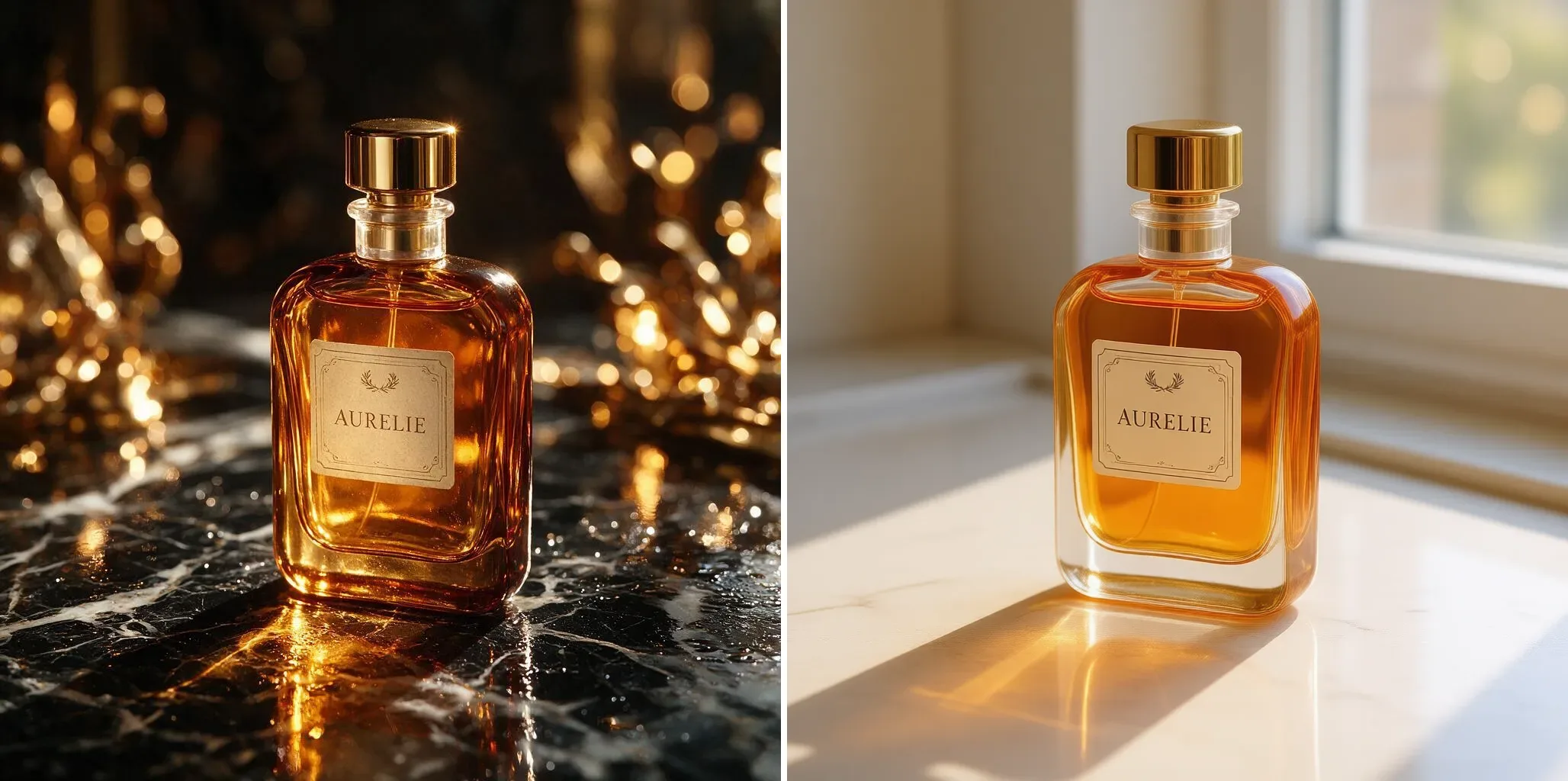
Before and after: amber perfume bottle moved from dark wet marble to a sunlit travertine ledge, AURELIE label intact
PromptBackground swap · 15s

Replace the dark wet marble surface and the black-and-gold background with a bright travertine stone ledge in soft morning daylight next to a sunlit window, with a soft natural shadow under the bottle. Keep the amber perfume bottle, its gold cap and the AURELIE label completely unchanged.

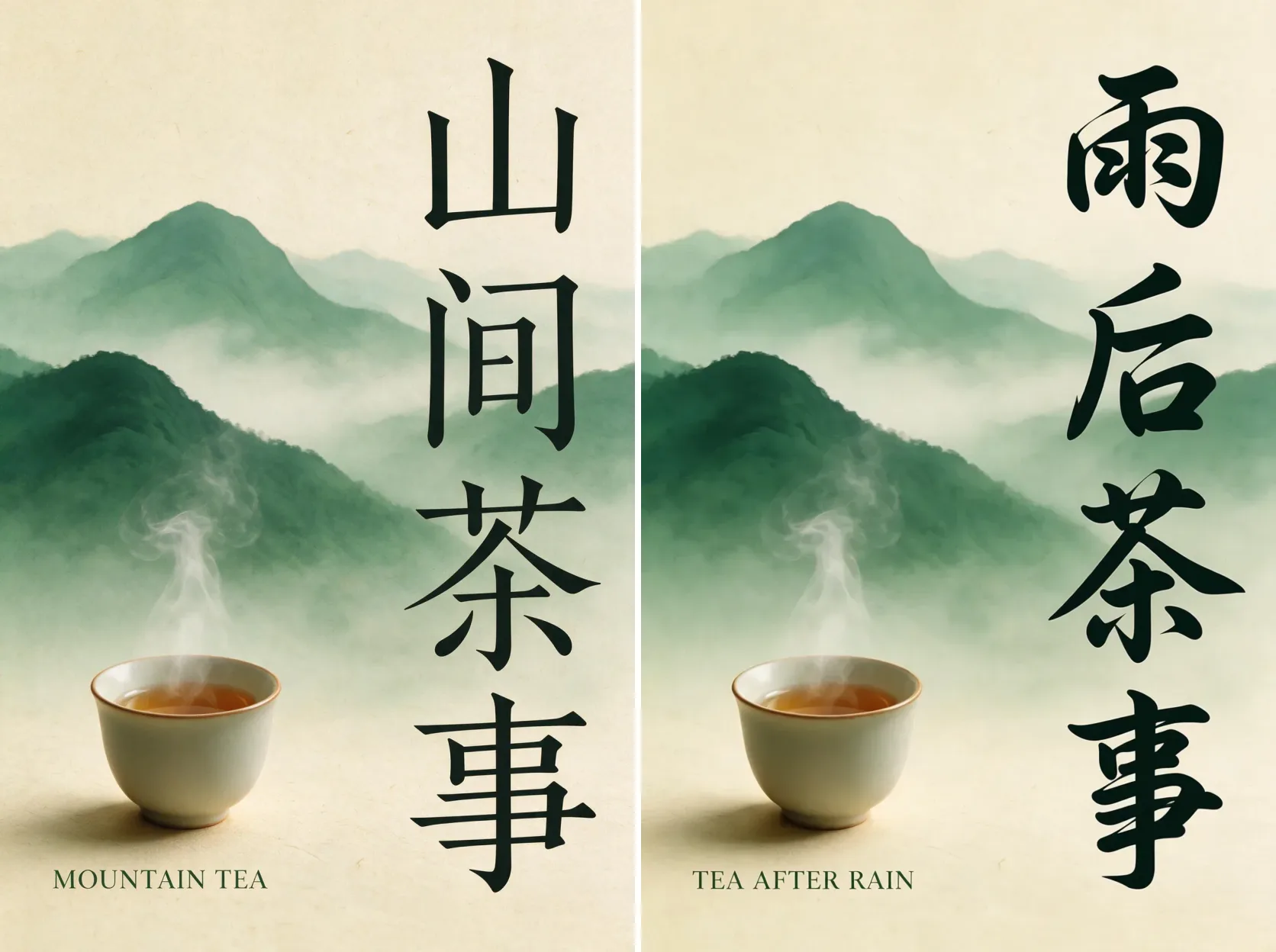
Before and after: Chinese tea poster title rewritten from 山间茶事 to 雨后茶事 with the English subtitle changed to TEA AFTER RAIN
PromptChinese text · 18s

Change the vertical Chinese title 「山间茶事」 to 「雨后茶事」 in the same calligraphic style, size and position, and change the small English subtitle 'MOUNTAIN TEA' to 'TEA AFTER RAIN' in the same green serif style. Keep the misty mountains, the tea cup, the steam and the paper texture exactly as they are.

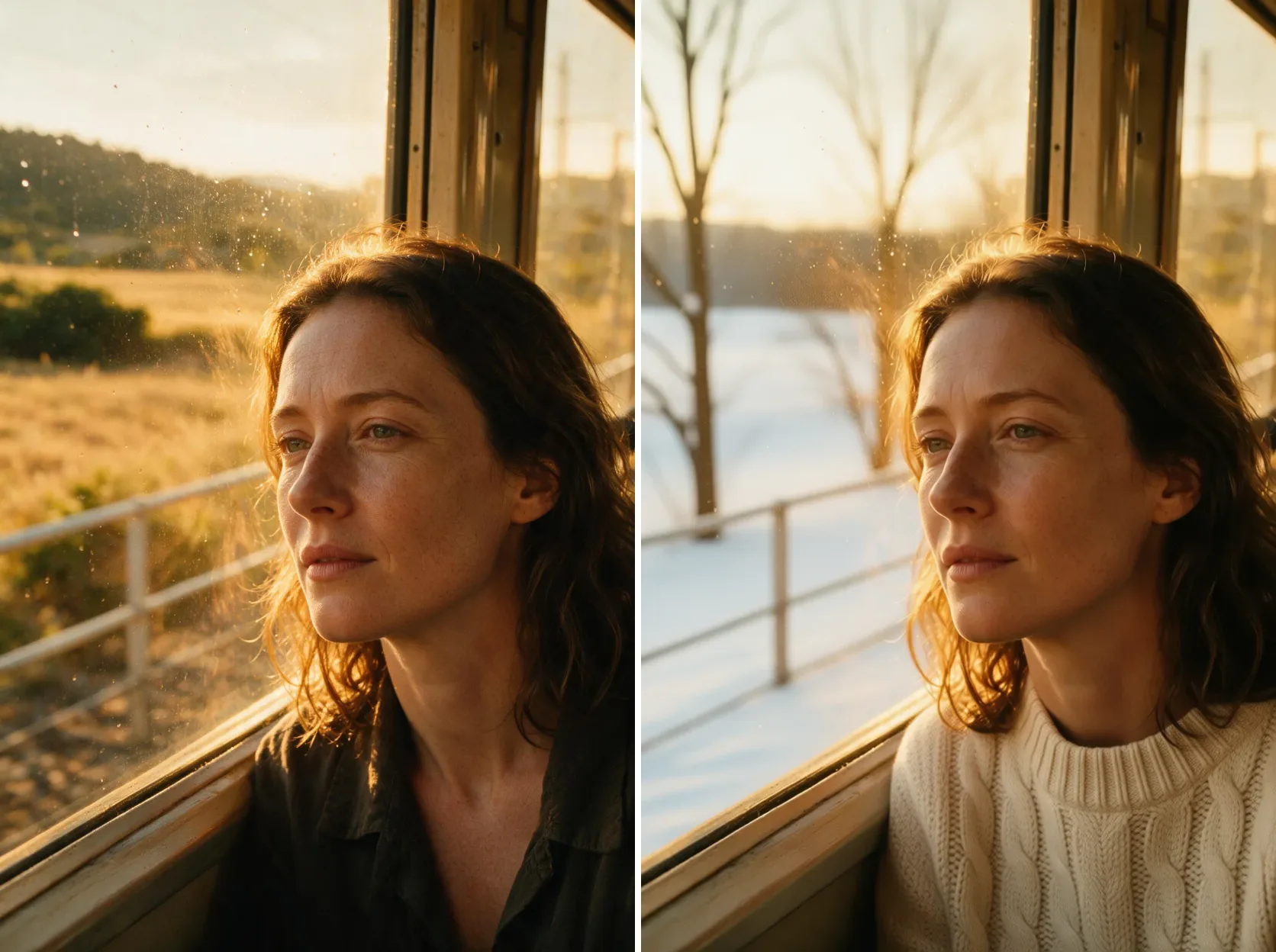
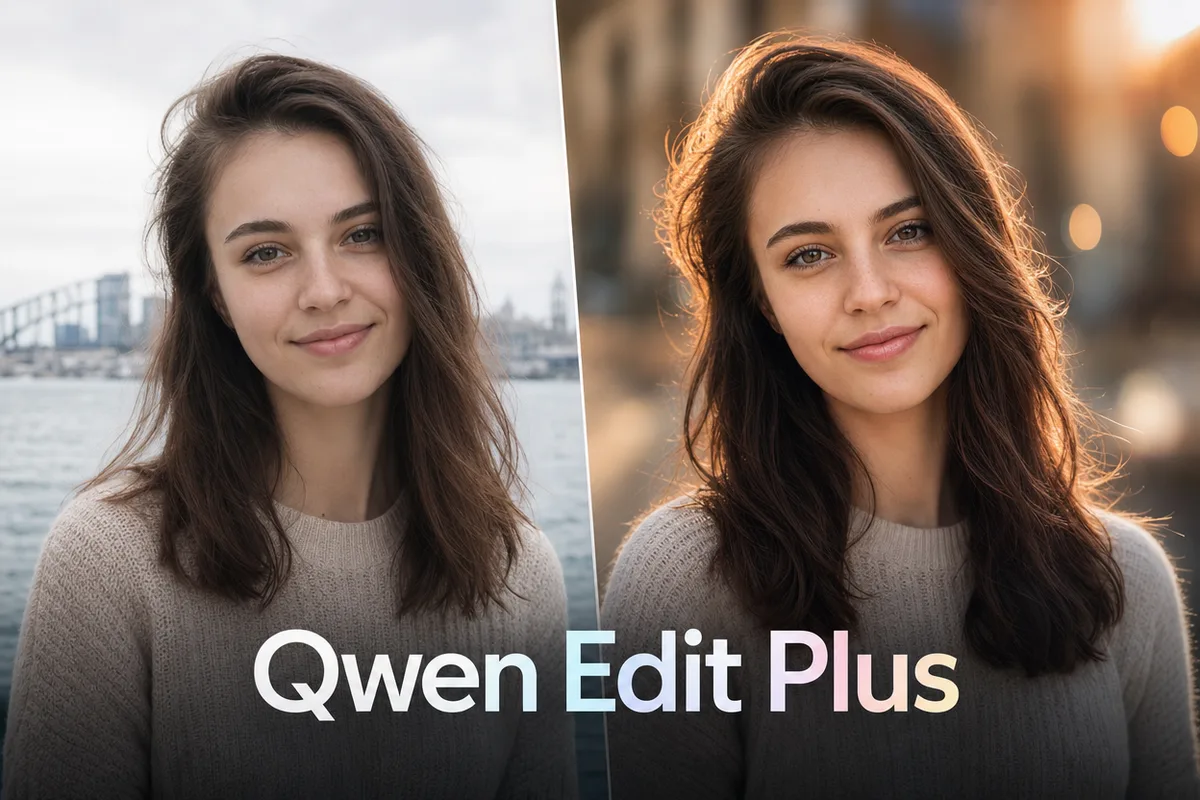
Before and after: the same woman by a train window, shirt changed to a cream cable-knit sweater and the summer view outside changed to snow
PromptIdentity edit · 14s

Change her dark shirt to a cream cable-knit wool sweater, and change the scenery outside the train window to a snowy winter landscape with bare trees. Keep her face, freckles, expression, hair and the warm golden light on her skin exactly the same.

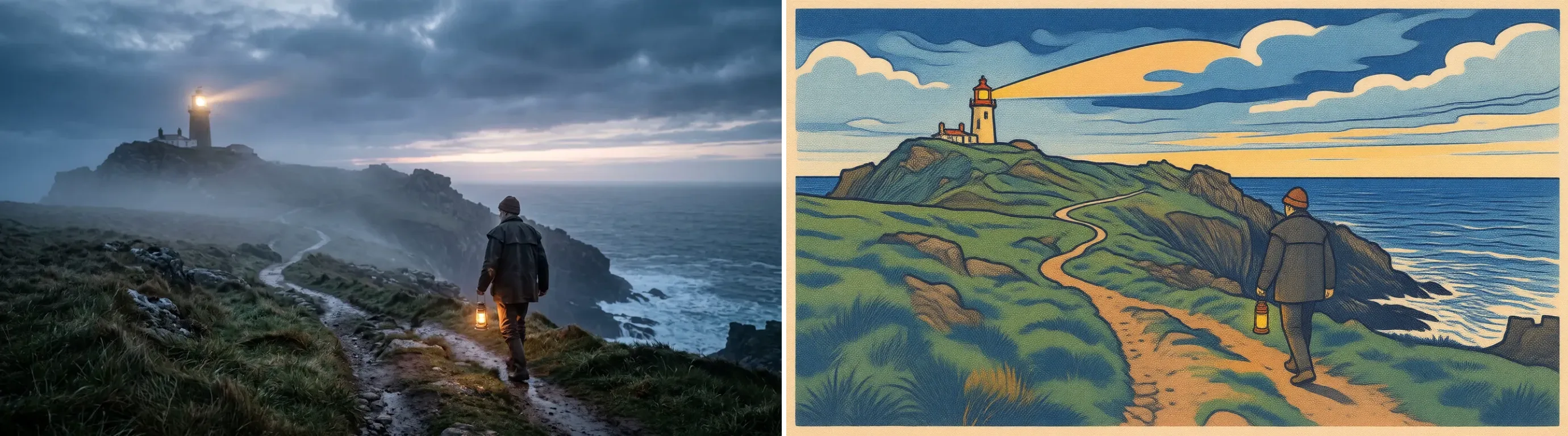
Before and after: a photographic lighthouse scene repainted as a Japanese ukiyo-e woodblock print with the same composition
PromptStyle transfer · 18s

Repaint this photograph as a traditional Japanese ukiyo-e woodblock print: flat color planes, visible woodgrain texture, indigo sea and sky, stylized clouds and waves. Keep the same composition — the lighthouse on the headland, the winding path, and the walking figure with the lantern.

Who Qwen Image Edit Plus is for

It is a scalpel, not a paintbrush. These are the jobs where a scalpel is the right tool.

  • E-commerce and product teams

    Label variants and background swaps without a reshoot: our tumbler kept its caption line through a one-word label change, and the perfume bottle moved from dark marble to daylight with its label intact.

  • Marketers localizing creatives

    The same poster, retitled in Chinese or English by instruction. Our four-character calligraphy title came back correctly written — budget for the typeface drifting, and proofread anything you cannot read.

  • Photographers cleaning up shots

    Remove the object that ruins the frame and let the model extend the background. The rest of the photo is re-rendered faithfully, not masked — so check fine detail before you ship.

  • Anyone compositing people and products

    Three inputs, one scene, one light. Faces held up well in our composite; printed labels did not. Put the person in the scene first, then fix the label in a second, single-image edit.

  • Not for: fine print and fresh canvases

    It cannot generate from nothing — no input image, no output. And whatever must stay pixel-perfect at 8pt should not pass through it at all: crop the panel out first or re-set it afterwards.

Qwen Image Edit Plus vs Nano Banana 2 vs Nano Banana vs GPT Image 2

The four editing-capable image models here, side by side — credits, inputs, and how each one measures on the same independent leaderboard.

Qwen Image Edit PlusNano Banana 2Nano BananaGPT Image 2
Credits per image30, flat30 at 1K · 50 at 2K · 70 at 4K20, flat5–560 by resolution × quality, +10 per reference image
Generates from text aloneNo — editing onlyYesYesYes
Reference images per run314516
Output size controlFollows the input, ~1 megapixel14 ratios plus auto · up to 4K7 ratios plus auto · up to 2K9 ratios including auto · up to 4K
AA image-editing Elo (Aug 2026)1141 (rank 42)1249 (rank 6)1179 (rank 28)1256 at high (rank 3)
Our measured speed11–25s, median 15s (8 edits)57–199s, median 94s (8 generations)32–98s, median 60s (7 generations)32s low · 68s medium · 166s high at 2K (generations)

Credits, reference-image limits and size options are read from this workspace's own model registry on 19 August 2026. Elo scores are from Artificial Analysis' image-editing leaderboard on the same date — one source, one date, all four models. Speed rows are our own measurements with sample sizes stated; note the tasks differ (edits here, generations for the other three), so compare them as workflows, not as a benchmark.

Explore More Models

Compare Qwen Image Edit Plus with other image models — same workspace, one click to switch.

Qwen Image Edit Plus specs on CreateVision AI

Modelqwen-image-edit-plus (Qwen-Image-Edit 2509), by Alibaba's Qwen team — released September 2025, Apache-2.0 open weights
ModesImage editing and multi-image composition only — no text-to-image; every run needs at least one input image
Input images1 to 3 per edit, each between 384 and 3072 pixels per side
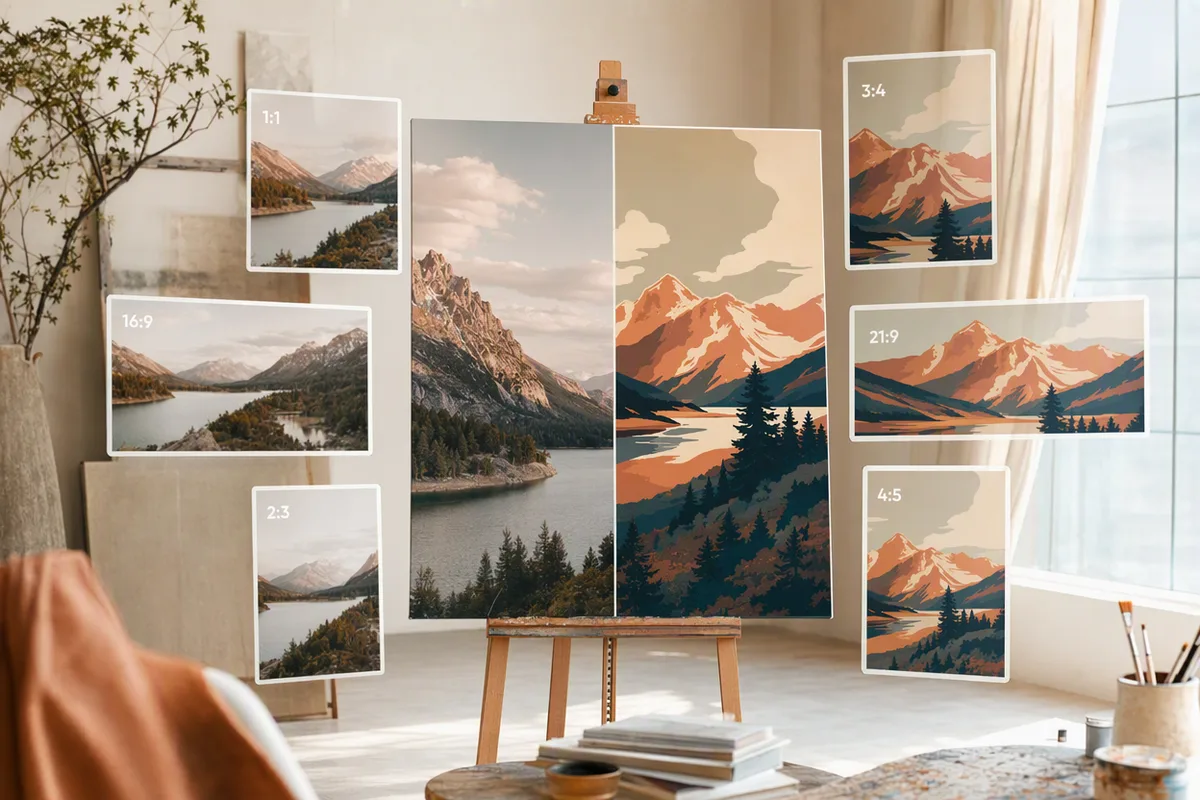
Output sizeFollows the input's aspect ratio at roughly one megapixel — our runs returned 1024×1024, 1248×832, 832×1248 and 1376×768
Aspect ratiosMatches the input image — there is no ratio picker on this model
Instruction lengthUp to 1,000 characters per edit on this workspace
In-image text editingEnglish and Chinese — both verified in our tests; expect typeface drift on calligraphy
Credits30 per edit, flat — shown before you run
Measured speed11–25s per edit, median 15s — our 8 edits on August 19, 2026

How to use Qwen Image Edit Plus online

  1. 1

    Upload 1 to 3 images

    Create a free account — no API key, no cloud console. Drop in the photo to edit, plus up to two more if you are compositing a person, product or scene.

  2. 2

    Describe one change

    Name what changes and, just as explicitly, what must stay. Tightly-scoped instructions are where this model shines; stacking several changes into one prompt is where it slips.

  3. 3

    Generate

    The flat credit cost shows before you run. Our eight test edits took 11 to 25 seconds each, and the result lands in your history with the instruction attached.

  4. 4

    Chain edits one at a time

    For a second change, feed the result back in as a new input rather than rewriting one mega-prompt. Each pass re-renders the frame, so keep chains short and check fine detail between steps.

Related reading

Choose Your Plan

Start free with welcome credits. Upgrade for premium models, faster generation, and 4K output.

Free

$0

Perfect for getting started

  • 200 welcome credits, up to 80/day
  • Z Image Turbo drafts at 0 credits
  • Standard generation speed
  • Generation history included
Get Started

Premium

Most popular
$29/month

Billed annually · $240/year

  • 8,000 credits/month, no daily limits
  • All premium models — GPT Image 2, Nano Banana, Seedream, Seedance, Veo, Kling
  • 5x generation speed, priority queue
  • AI prompt enhancement
Upgrade to Premium

Ultimate

$49/month

Billed annually · $380/year

  • 18,000 credits/month, no daily limits
  • HD generation up to 4K resolution
  • Priority support
  • Fastest queue and early access to new models
Upgrade to Ultimate

Frequently Asked Questions

1

Is Qwen Image Edit Plus free to use?

It is available on every account, including the free tier — each edit costs 30 credits, and the cost is shown before you run. There is no separate subscription gate on this model.

2

Do I need to upload an image?

Yes. It is an editing model with no text-to-image mode: every run takes 1 to 3 input images plus an instruction, and the output follows the input's aspect ratio at roughly one megapixel.

3

Can it change the text inside an image?

Yes, in English and Chinese — this is its most-praised capability and our tests agree. It swapped one label line in matching type while the caption-size line beneath survived, and rewrote a four-character Chinese calligraphy title correctly. One caveat from that test: the characters were right but the typeface drifted from the original serif to a heavier brush style.

4

Qwen Image Edit Plus or Nano Banana 2 for editing?

On Artificial Analysis' editing leaderboard Nano Banana 2 scores well above it (Elo 1249 vs 1141, August 2026), and published reviewers say the gap in general-purpose creative editing has widened. Our take after testing both: send tightly-scoped text and object surgery here at a flat 30 credits, and send whole-scene creative restyling, extreme formats or anything needing 2K–4K output to Nano Banana 2.

5

How fast is it?

Fast, on this channel: our eight edits took 11 to 25 seconds each, median 15. Seven completed on the first run; one hit a transient upstream capacity error and succeeded on retry.

6

What is it bad at?

Three things from our own runs. Fine print in regions you did not ask it to touch can come back re-rendered into near-words, because it repaints the whole frame rather than masking your edit — our supplement-box test shows this. Printed text degrades through multi-image composites even when headline-size. And style-matched text replacement can drift in typeface. Workarounds: keep must-survive fine print out of the frame, fix labels in a separate single-image pass, and make one change per edit.

7

Can I use the edited images commercially?

Yes, images you generate can be used in personal and commercial projects under our terms of service. You remain responsible for the rights to your input images, plus prompt content, trademarks and likeness rights.

Make one precise edit with Qwen Image Edit Plus

Make one precise edit with Qwen Image Edit Plus

Start Generating Images

Discover our one-click AI image tools

One-click tools for everything around generation — polish, restyle, and share.

Pricing & Access — The FactsQwen Image Edit Plus

Model
Qwen Image Edit Plus
Developer
Alibaba
Access
Runs in the CreateVision AI workspace via API — sign in and generate. No API key, no cloud project, no software install.
Price per generation
From 30 credits ≈ $0.11 per image on the Premium plan ($29/month for 8,000 credits). The free plan includes 80 credits every day.
Privacy
Private by default — no other user can see your generations, on any plan. We don't sell or misuse member data. Privacy Policy