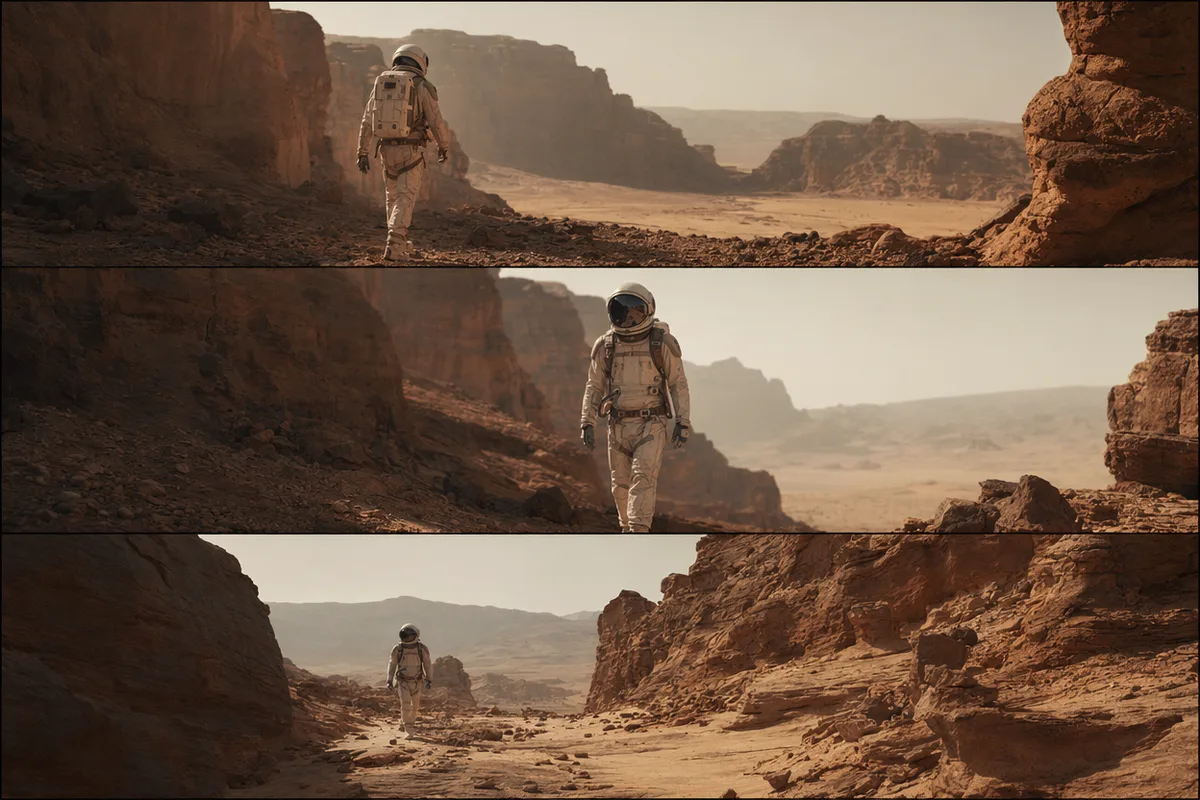
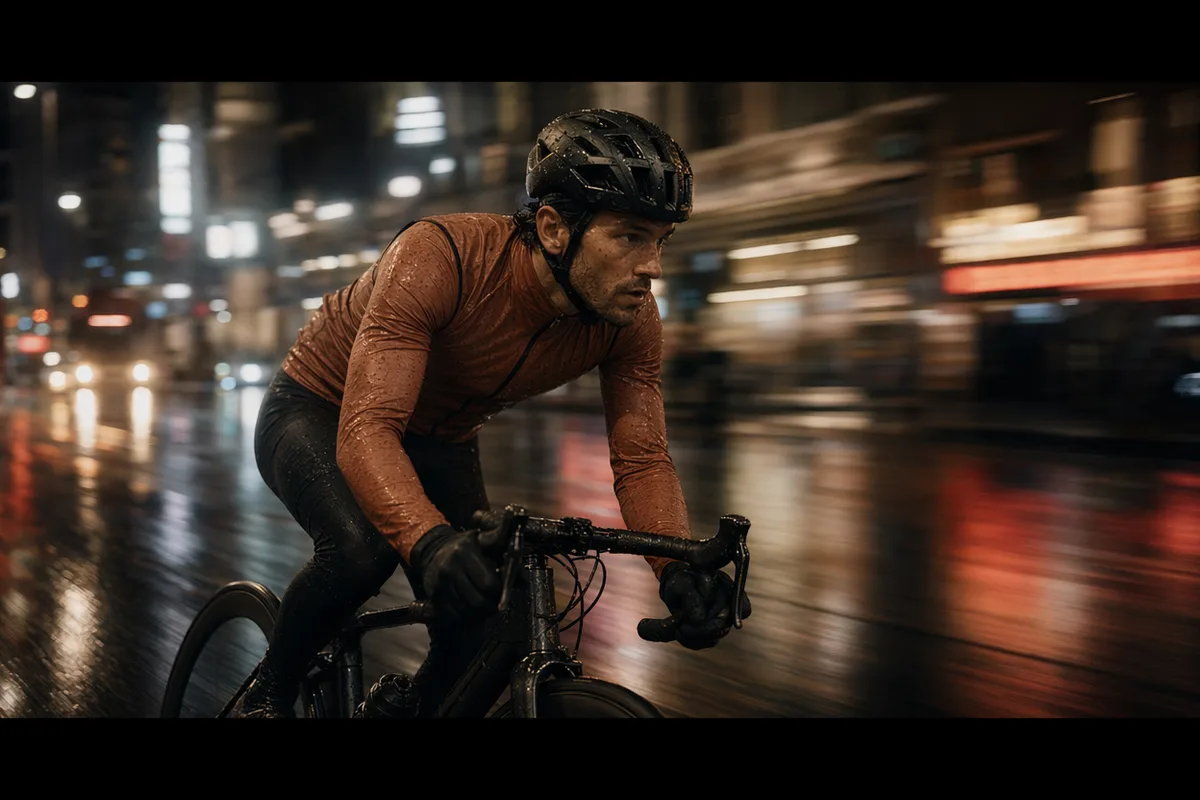
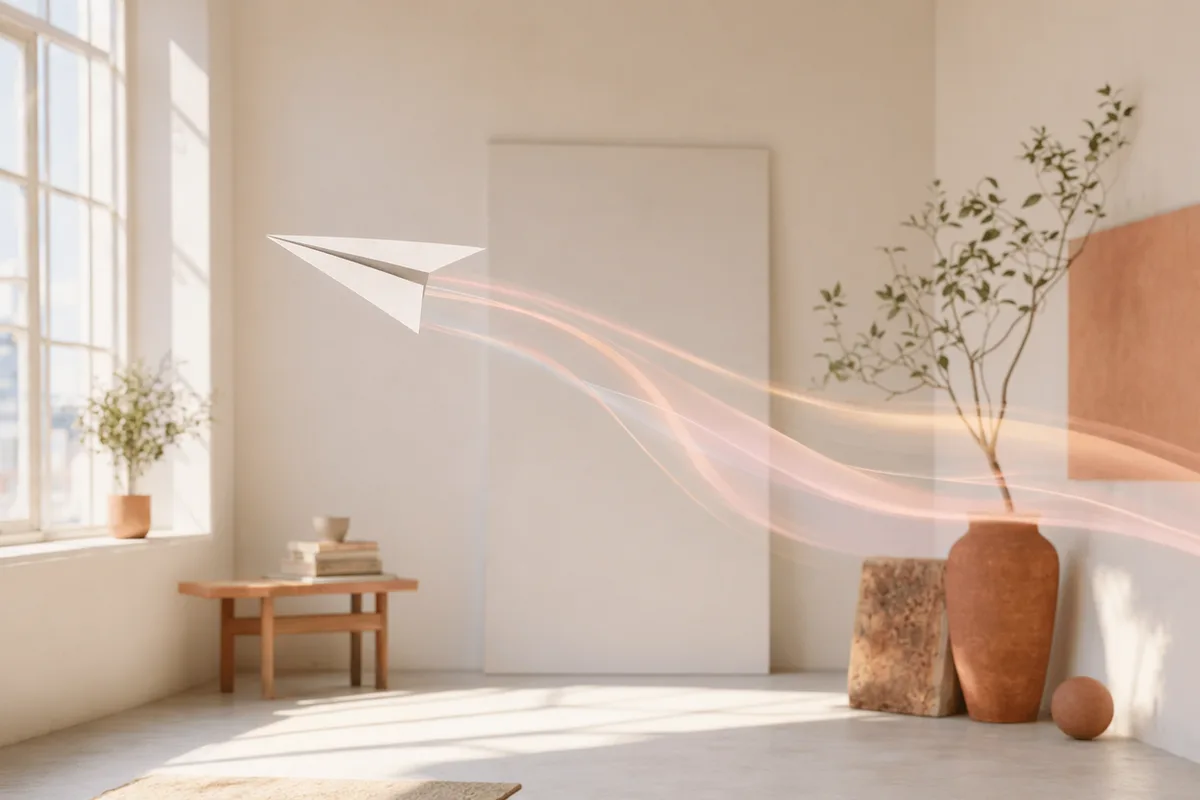
Seedance 2.0 Mini is the lightweight member of ByteDance's Seedance 2.0 video family, released in June 2026. The official positioning is simple: roughly twice the speed of the Fast tier at about half the cost of the flagship, aimed at high-volume, budget-sensitive creators. It generates 4–15 second clips at 480p or 720p with native synced audio, from a text prompt, a photo (first-frame or first-and-last-frame), or a reference set of up to 9 images, 3 video clips, and 3 audio tracks.
The Seedance 2.0 family it belongs to currently sits at #1 on the Artificial Analysis text-to-video arena (ELO 1,226 for the flagship as of July 2026); Mini itself is too new to hold a separate rank, and we re-check the leaderboards monthly. What reviewers consistently praise about Mini is the iteration economics — run many cheap variations, keep the best — plus audio that is genuinely synchronized to motion rather than overlaid, and motion coherence that holds up surprisingly well for the price.
Its limits are just as clear, and they matter: output caps at 720p, so it is the wrong tool for TV screens, cinema, or desktop hero banners; realistic human face photos are restricted as reference input (AI-generated people are fine); content filtering can be aggressive with false positives; and subjects can drift or morph in longer multi-reference sequences. In our own 6-clip test every clip landed on the first take, but each took around 3 minutes — fast for video, not instant. For native 1080p+, cinematic camera language, or long takes, step up to Seedance 2.0 or Veo 3.1 Pro.
Positioning and tier comparison are from ByteDance's official Dreamina documentation: Seedance 2.0 Mini vs Seedance 2.0