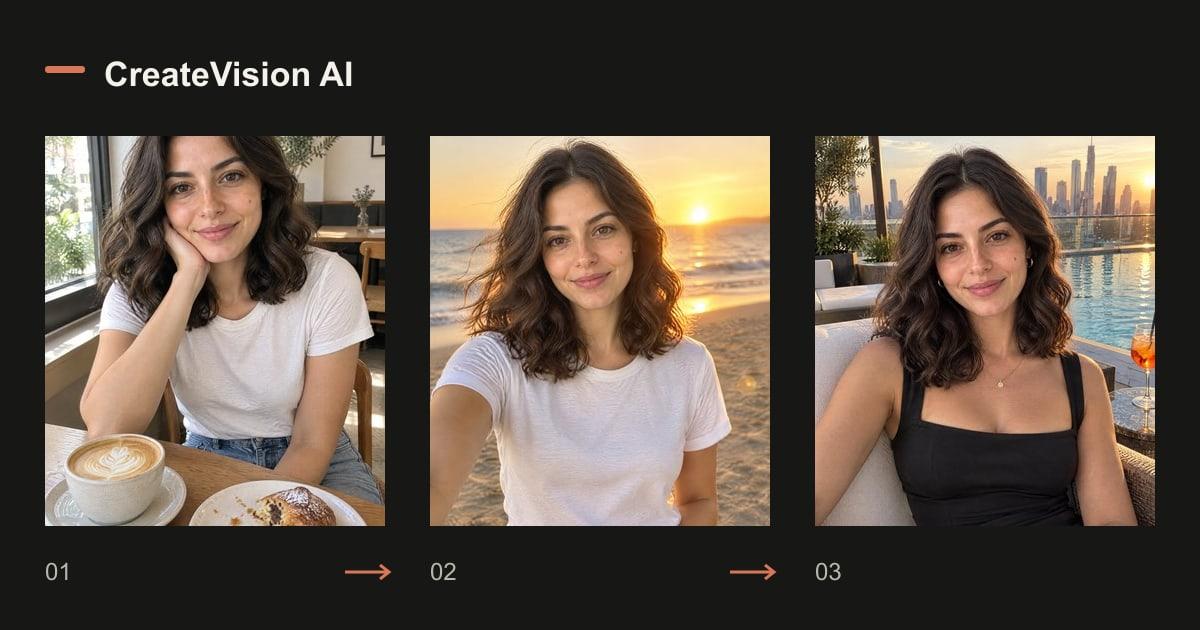
CREATEVISION AI · PRAKTYCZNE PORADNIKI WIDEO
Zanim zaczniesz
01Użyj tego samego odniesienia dla każdej niezależnej sceny; nie pozwól, aby dryf tożsamości narastał przez wielokrotne ponowne przesyłanie.
02Zachowaj stabilną strukturę twarzy, włosów, ciała i charakterystycznych akcesoriów podczas zmiany scenerii.
03Sprawdź tożsamość przed przekształceniem zdjęcia w wideo. Wynik zdjęciowy nie dowodzi spójności wideo.
Wybierz referencję, która może prowadzić całą serię
Użyj portretu z równomiernym oświetleniem i widoczną twarzą. Unikaj ciężkich filtrów, okularów przeciwsłonecznych i ekstremalnych kątów. Nasze przykłady wykorzystują fikcyjną kobietę stworzoną do demonstracji, a nie tożsamość ani rekomendację prawdziwej osoby.
W AI Influencer Generator przesyłaj to samo zdjęcie za każdym razem. Strona udostępnia presety scenerii oraz opcje stroju i kadrowania. Jeśli korzystasz z osobnej biblioteki Characters, zapisz zatwierdzoną postać i jej widoki referencyjne do ponownego użycia; to oddzielny proces zarządzania zasobami.
Utwórz pięć scen z tą samą osobą
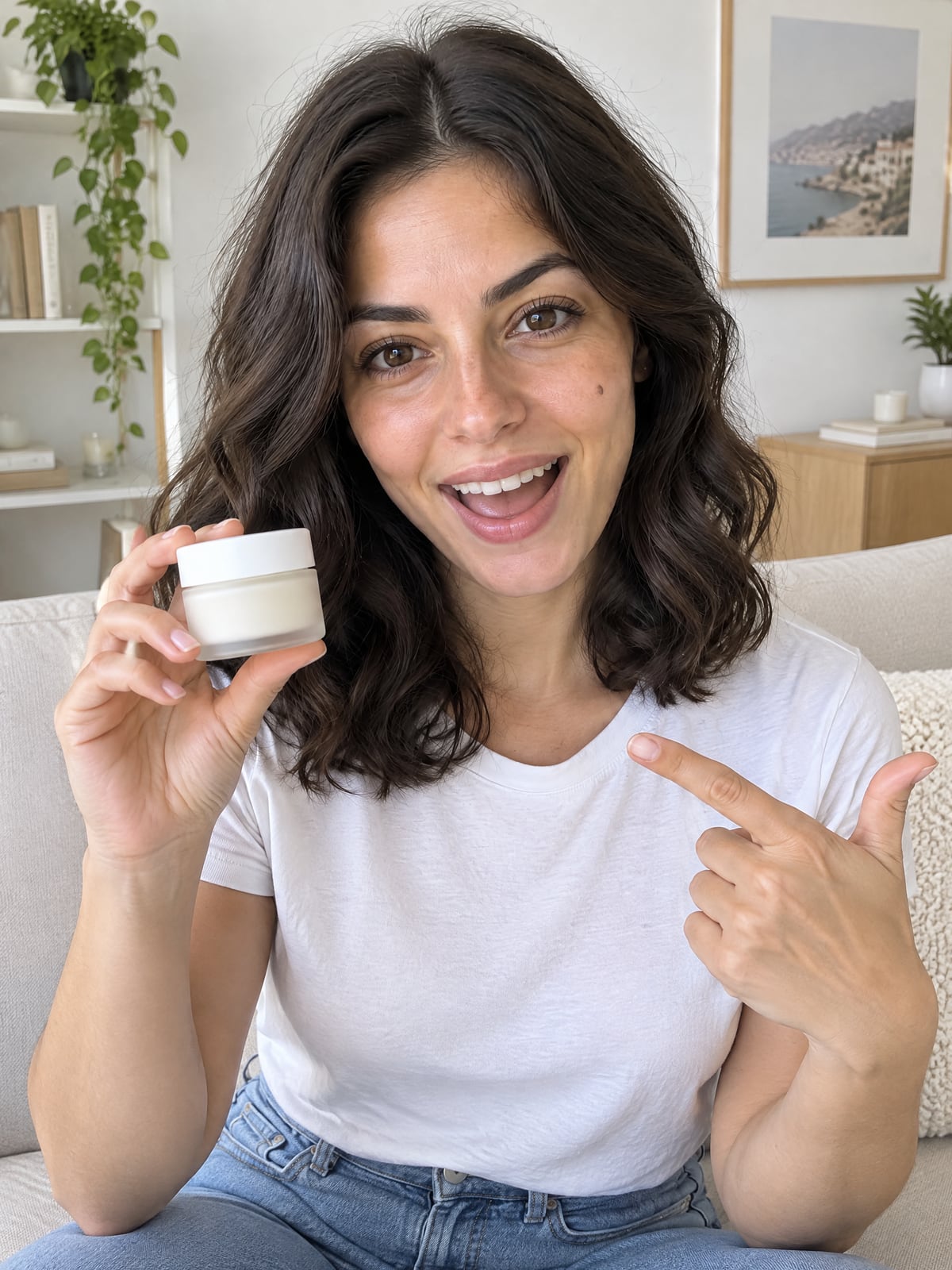
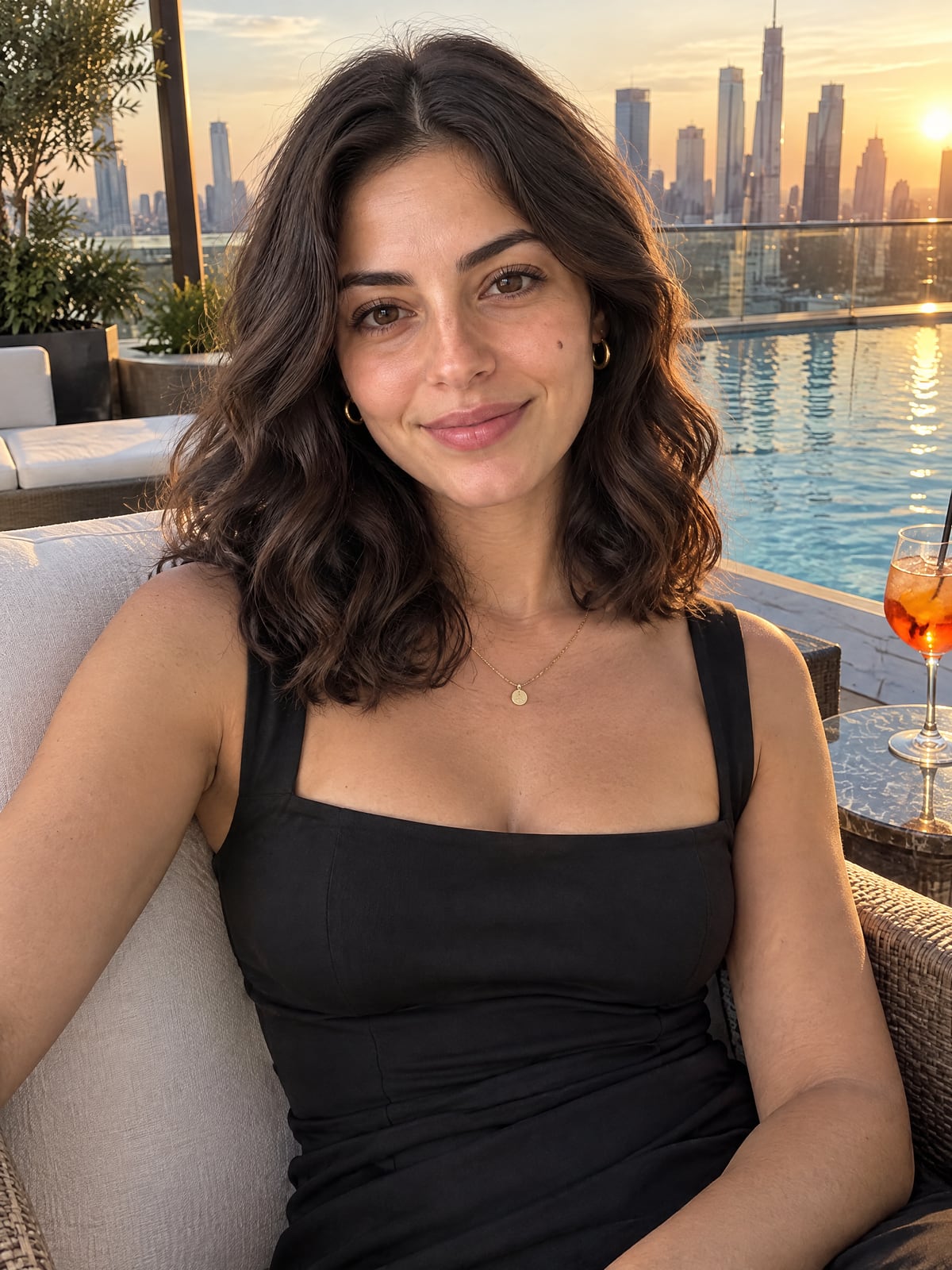
Pięć przykładów poniżej korzysta z tej samej oryginalnej referencji. Prezentują sceny w kawiarni, na plaży, selfie w lustrze, rozpakowywanie produktu i w hotelu. Stroje mogą się różnić, więc oceniaj tożsamość oddzielnie od garderoby.
Sprawdź kształt szczęki, oczy, nos, linię włosów i proporcje ciała. Same znajome włosy nie wystarczą. Sprawdź także telefon w lustrze, palce oraz produkt w scenie rozpakowywania.
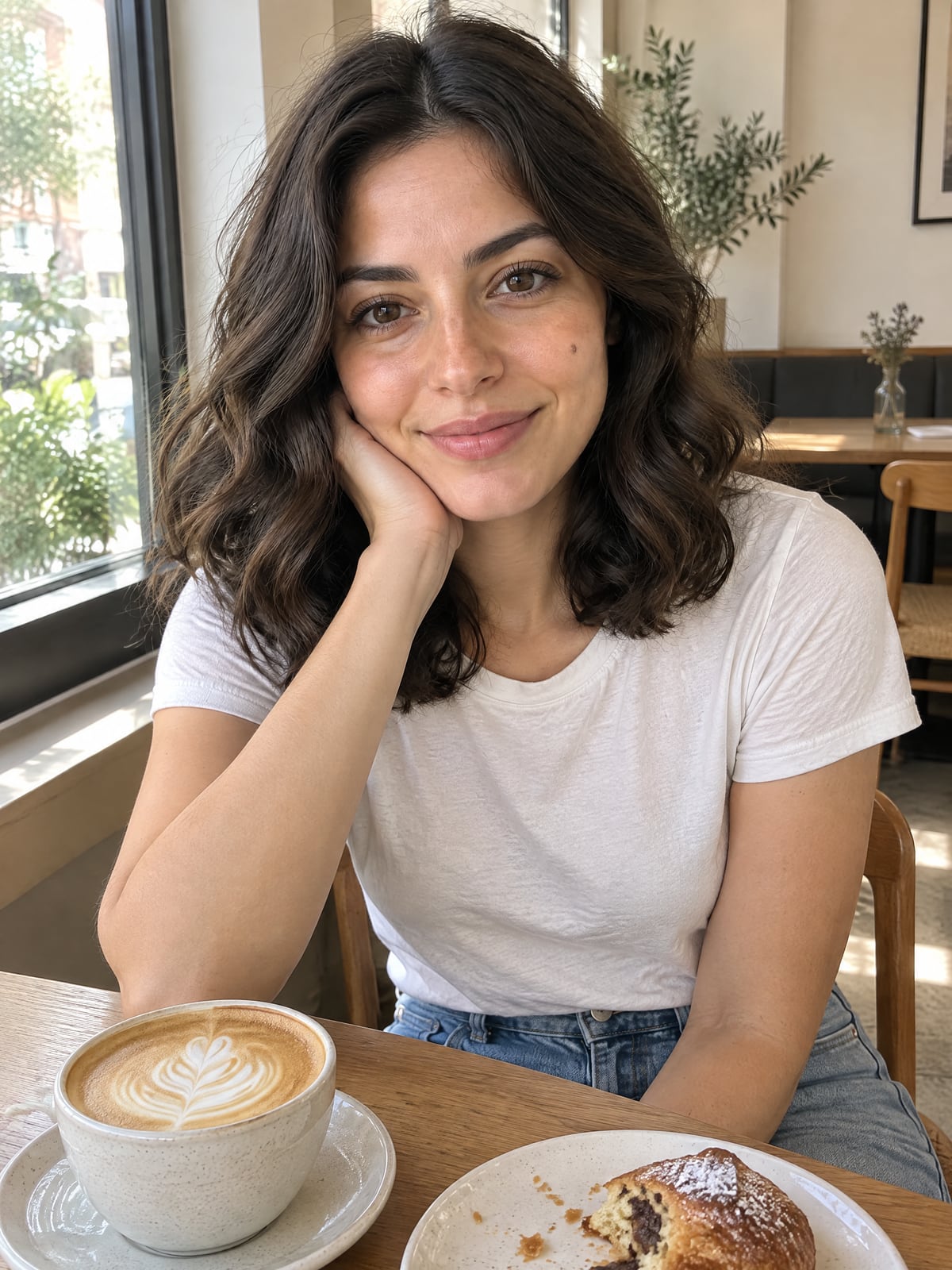
Przeczytaj oryginalny prompt
The subject is the exact person in the reference photo. Keep their face structure, eye shape and colour, nose, lips, skin tone, hairstyle and hair colour, body build and age recognisable in every detail — a follower who knows this person must recognise them instantly. Do not replace them with a generic model, do not change their age, do not slim or reshape their face or body, and do not add any other people to the scene. Scene: sitting at a window table in a bright specialty coffee shop, a latte with latte art and a half-eaten pastry on the wooden table, soft morning daylight from the window, relaxed half-smile at the camera as if a friend took the photo across the table. Outfit: casual everyday wear that suits the scene — a plain tee or knit, jeans or shorts, clean sneakers; no logos. Framing: vertical feed photo, head to hips. Shot like a real phone photo posted by a lifestyle creator: natural skin texture with pores and fine lines kept (no airbrushing, no plastic smoothing), realistic lighting with soft shadows, slight depth of field, candid framing. Photorealistic. No text, no captions, no watermark, no logos, no brand marks, no other faces in the frame.
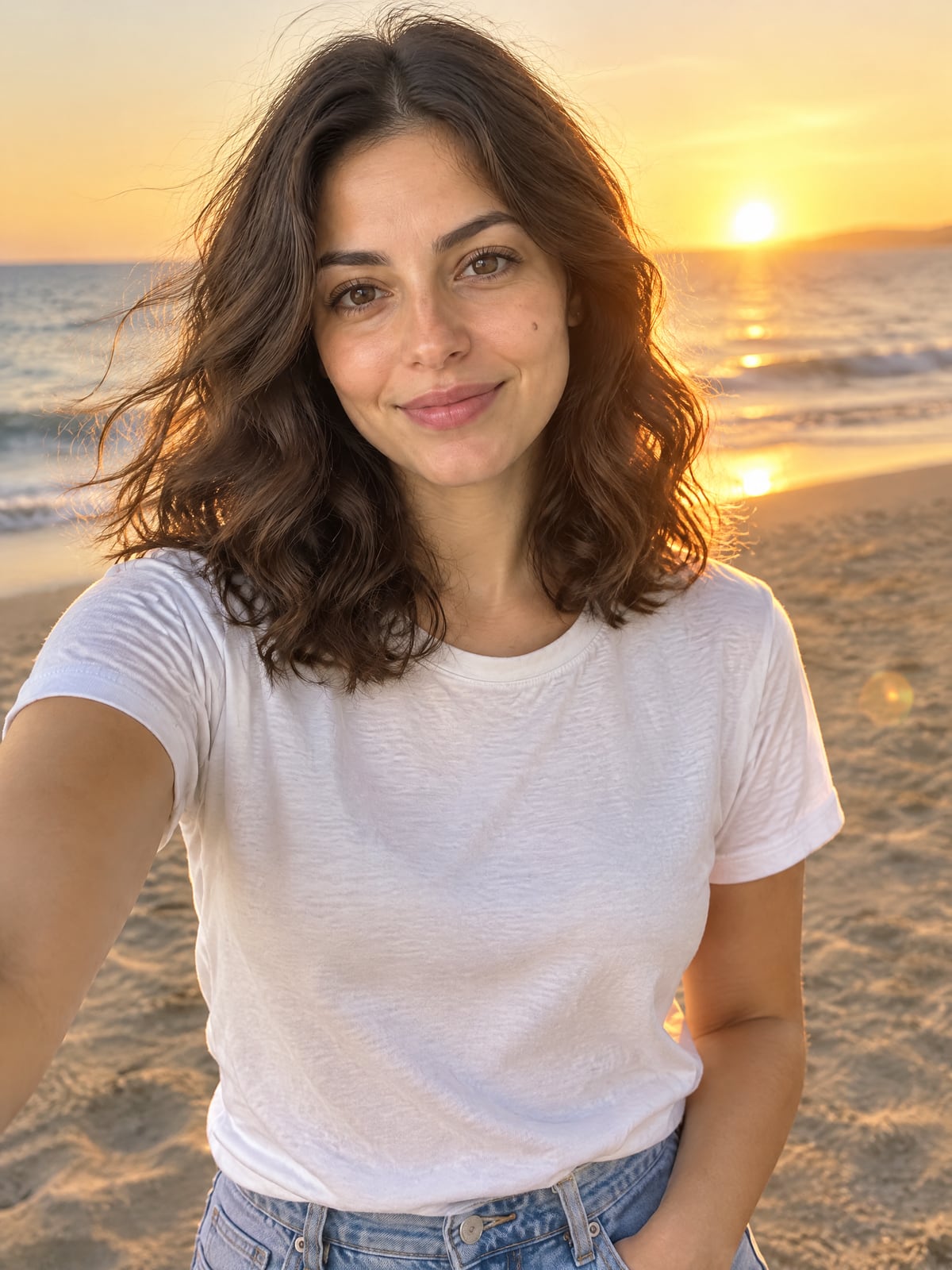
Przeczytaj oryginalny prompt
The subject is the exact person in the reference photo. Keep their face structure, eye shape and colour, nose, lips, skin tone, hairstyle and hair colour, body build and age recognisable in every detail — a follower who knows this person must recognise them instantly. Do not replace them with a generic model, do not change their age, do not slim or reshape their face or body, and do not add any other people to the scene. Scene: golden-hour on a quiet beach, sun low behind them, hair moving slightly in the breeze, sea and a soft horizon in the background, warm backlight with a gentle lens flare, carefree expression. Outfit: casual everyday wear that suits the scene — a plain tee or knit, jeans or shorts, clean sneakers; no logos. Framing: vertical feed photo, head to hips. Shot like a real phone photo posted by a lifestyle creator: natural skin texture with pores and fine lines kept (no airbrushing, no plastic smoothing), realistic lighting with soft shadows, slight depth of field, candid framing. Photorealistic. No text, no captions, no watermark, no logos, no brand marks, no other faces in the frame.
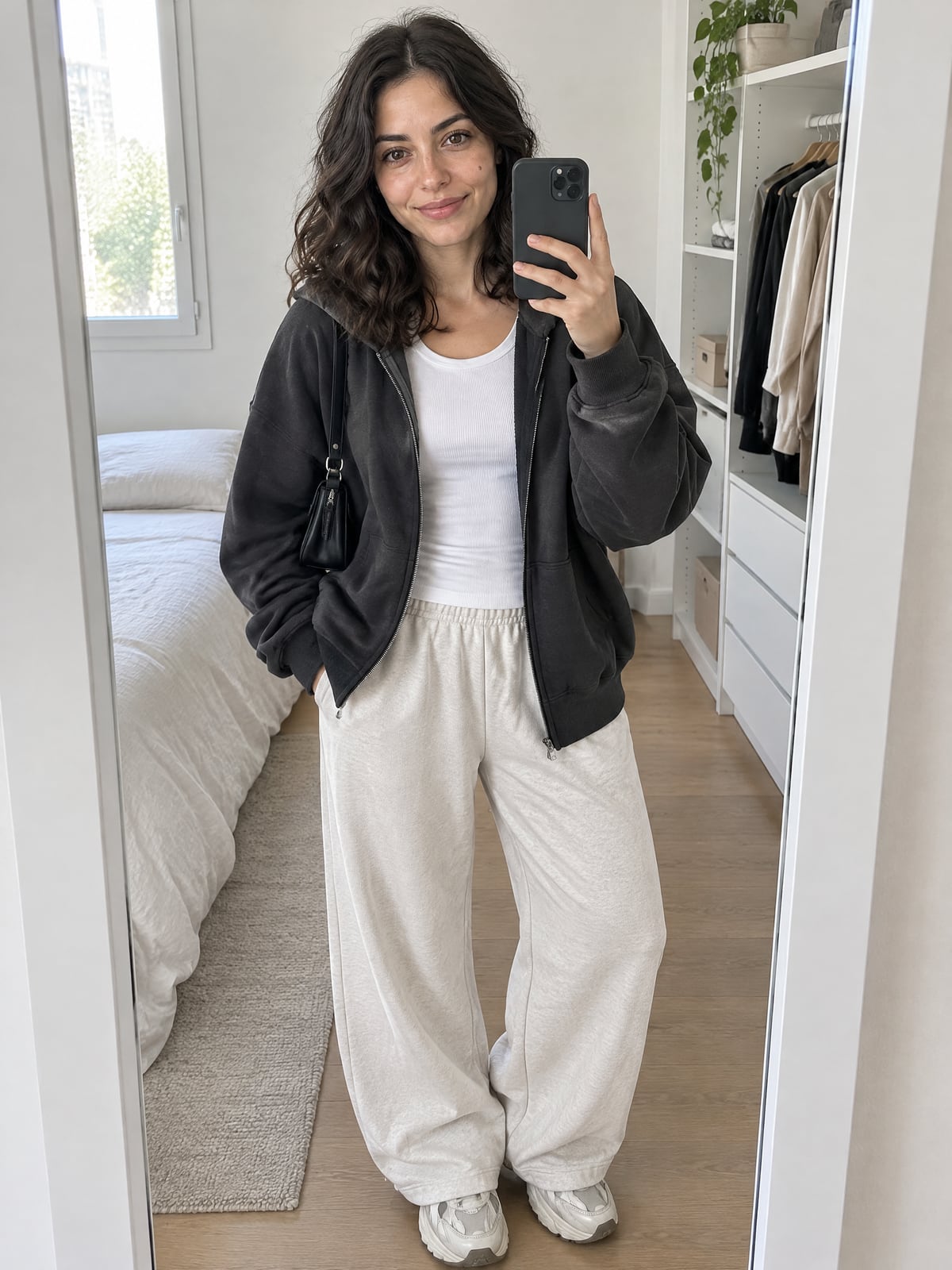
Przeczytaj oryginalny prompt
The subject is the exact person in the reference photo. Keep their face structure, eye shape and colour, nose, lips, skin tone, hairstyle and hair colour, body build and age recognisable in every detail — a follower who knows this person must recognise them instantly. Do not replace them with a generic model, do not change their age, do not slim or reshape their face or body, and do not add any other people to the scene. Scene: full-length mirror selfie in a tidy bright bedroom or walk-in closet, holding a smartphone up at chest height with one hand, the phone partly covering the face is NOT allowed — face clearly visible, outfit fully shown, natural window light, casual confident pose. Outfit: relaxed streetwear — an oversized jacket or hoodie, wide trousers, chunky sneakers, a small bag; no logos. Framing: vertical feed photo, head to hips. Shot like a real phone photo posted by a lifestyle creator: natural skin texture with pores and fine lines kept (no airbrushing, no plastic smoothing), realistic lighting with soft shadows, slight depth of field, candid framing. Photorealistic. No text, no captions, no watermark, no logos, no brand marks, no other faces in the frame.
Przeczytaj oryginalny prompt
The subject is the exact person in the reference photo. Keep their face structure, eye shape and colour, nose, lips, skin tone, hairstyle and hair colour, body build and age recognisable in every detail — a follower who knows this person must recognise them instantly. Do not replace them with a generic model, do not change their age, do not slim or reshape their face or body, and do not add any other people to the scene. Scene: holding up a small unbranded product (a skincare jar, a pair of headphones or a sleek gadget — no logos) toward the camera with an excited expression, sitting on a sofa or at a vanity with a ring-light glow in the eyes, a tidy bright living room behind. Outfit: casual everyday wear that suits the scene — a plain tee or knit, jeans or shorts, clean sneakers; no logos. Framing: vertical feed photo, head to hips. Shot like a real phone photo posted by a lifestyle creator: natural skin texture with pores and fine lines kept (no airbrushing, no plastic smoothing), realistic lighting with soft shadows, slight depth of field, candid framing. Photorealistic. No text, no captions, no watermark, no logos, no brand marks, no other faces in the frame.
Przeczytaj oryginalny prompt
The subject is the exact person in the reference photo. Keep their face structure, eye shape and colour, nose, lips, skin tone, hairstyle and hair colour, body build and age recognisable in every detail — a follower who knows this person must recognise them instantly. Do not replace them with a generic model, do not change their age, do not slim or reshape their face or body, and do not add any other people to the scene. Scene: lounging by a luxury hotel rooftop pool with a city skyline behind, a drink on the side table, late-afternoon sun, polished editorial-travel feel, relaxed and unbothered. Outfit: polished evening look — an elegant dress or a fitted dark suit, subtle jewellery, well-groomed; tasteful, fully clothed. Framing: vertical feed photo, head to hips. Shot like a real phone photo posted by a lifestyle creator: natural skin texture with pores and fine lines kept (no airbrushing, no plastic smoothing), realistic lighting with soft shadows, slight depth of field, candid framing. Photorealistic. No text, no captions, no watermark, no logos, no brand marks, no other faces in the frame.
Wczytanie przykładu wypełnia szkic. Przejrzyj ustawienia i aktualną wycenę przed generowaniem.
Określ, co musi pozostać takie samo
Prompt produkcyjny wymienia ograniczenia tożsamości przed opisem scenerii. Prosi o naturalny wygląd zdjęcia z telefonu, a nie o wypolerowany, generyczny wygląd modelki. W swojej własnej serii dodaj krótką, konkretną instrukcję tylko wtedy, gdy preset tego wymaga.
Generuj każdą scenę na podstawie zatwierdzonego oryginału, zamiast uzależniać każde nowe zdjęcie od dryfującego poprzedniego wyniku. Prowadź arkusz kontaktowy, aby zmiany stawały się oczywiste w całej serii.
Zarządzaj tożsamością i stylizacją jako osobnymi wyborami
Spójna tożsamość może nosić różne ubrania, ale kampania produktowa może wymagać również tego samego stroju. Zdecyduj, które szczegóły są stałe, przed generowaniem. Przechowuj referencję, wybraną scenę, strój i kadrowanie razem z zatwierdzonym wynikiem.
Dedykowana strona influencera tworzy zdjęcia lifestyle; osobna biblioteka subject może przechowywać referencje wielokrotnego użytku i arkusze postaci. Nie zakładaj, że każde zdjęcie automatycznie staje się zapisaną postacią lub przenosi się do każdego narzędzia wideo.
Przekształć zatwierdzone zdjęcie w krótkie wideo
Wybierz najmocniejsze zdjęcie i otwórz proces image-to-video. Zacznij od małego obrotu głowy, powściągliwego kroku lub delikatnego ruchu kamery. Utrzymaj akcję na tyle prostą, by można ją było sprawdzić.
Przenieś zatwierdzony obraz do wersji roboczej wideo i porównaj twarz podczas ruchu. Jeśli używasz szablonu role-replacement, sprawdź, czy wybrana scena obsługuje kadrowanie i proporcje ciała Twojej postaci. Jakość wideo trzeba oceniać oddzielnie od serii zdjęć.
Zaplanuj budżet na serię, której naprawdę możesz użyć
Najpierw utwórz jedną scenę i oceń ją, zanim zdecydujesz się na pozostałe cztery. Użyj aktualnej wyceny dla wybranego modelu obrazu i jakości. Zmiana modelu lub rozdzielczości zmienia koszt i może zmienić wygląd.
Przykłady dokumentują proces produkcji i oryginalną referencję. Nie są zmierzonym wskaźnikiem skuteczności tożsamości, automatycznym systemem publikowania ani obietnicą wzrostu liczby obserwujących. Wybierz plan na podstawie zatwierdzonej liczby wyników, a nie liczby generowań, które masz nadzieję zachować.
Pytania przed generowaniem
Czy każda scena zachowa twarz idealnie?
Nie. Ograniczenia referencyjne pomagają, ale musisz sprawdzić każdy wynik. Uprość zmiany scenerii i stylizacji, gdy twarz dryfuje.
Czy mogę stworzyć wirtualną osobę zamiast używać własnego zdjęcia?
Tak. Najpierw utwórz i zatwierdź fikcyjną postać, a następnie użyj jej referencji ponownie w obsługiwanych procesach.
Czy presety zdjęciowe automatycznie tworzą wideo?
Nie. Strona influencera tworzy zdjęcia statyczne. Użyj procesu image-to-video dla ruchu i oceń ten wynik oddzielnie.
Porównaj plany i pakiety kredytów
Znasz potrzebny wolumen? Porównaj kredyty członkowskie z jednorazowym pakietem kredytów przed wyborem. Twój szkic pozostaje pod twoją kontrolą.